
The Best Yaki Udon
The Best Yaki Udon is a beloved Japanese staple that has tantalized taste buds across the globe. Originating from Japan, Yaki Udon translates to ‘fried udon’, and it captures the comfort of thick, chewy udon noodles stir-fried with savory sauces, colorful vegetables, and often your choice of protein.
This satisfying dish is both simple and versatile, making it an ideal meal for busy weeknights or special gatherings. Traditionally, Yaki Udon was born out of necessity in post-war Japan, when soba noodles were in short supply, and ingenious cooks used whatever noodles they had on hand.
Since then, it has evolved into a culinary favorite, loved for its quick preparation and the delightful interplay of flavors and textures. With the rise of Japanese cuisine around the world, dishes like Yaki Udon have become household favorites for those ready to experience authentic flavors at home.
The Best Yaki Udon recipe is not only easy to follow but packed with umami, featuring a savory sauce blend, crisp-tender vegetables, and the perfect bite from each noodle.
Whether you are new to Japanese cooking or a seasoned fan, you will find this dish deeply satisfying, crowd-pleasing, and customizable to your taste. Prepare to discover what makes The Best Yaki Udon a signature stir-fried noodle dish, rich in tradition and flavor.
Ingredients for The Best Yaki Udon
- 400g fresh or frozen udon noodles
- 200g boneless skinless chicken thigh or beef, thinly sliced (optional for a vegetarian meal, omit or substitute with tofu or mushrooms)
- 2 tablespoons vegetable oil (canola or sunflower oil preferred)
- 1 medium onion, thinly sliced
- 1 carrot, julienned
- 1 small zucchini, julienned
- 1 cup Napa cabbage, chopped
- 1 cup fresh shiitake or button mushrooms, sliced
- 2 cloves garlic, minced
- 2 green onions, sliced (white and green parts separated)
- 2 tablespoons soy sauce
- 1 tablespoon oyster sauce (or vegetarian stir-fry sauce)
- 1 tablespoon mirin (Japanese sweet rice wine) or dry sherry
- 1 tablespoon sake (optional)
- 1 teaspoon toasted sesame oil
- Freshly ground black pepper to taste
- 1 tablespoon sesame seeds for garnish
- Shichimi togarashi (Japanese seven-spice) for serving (optional)
Instructions for Making The Best Yaki Udon
- If using frozen udon noodles, place them in a bowl of hot water to separate and loosen. Drain and set aside. If using fresh udon, loosen with warm water and drain.
- Heat one tablespoon of vegetable oil in a large skillet or wok over medium-high heat. Add the sliced meat or tofu and stir-fry until just cooked through. Remove from the pan and set aside.
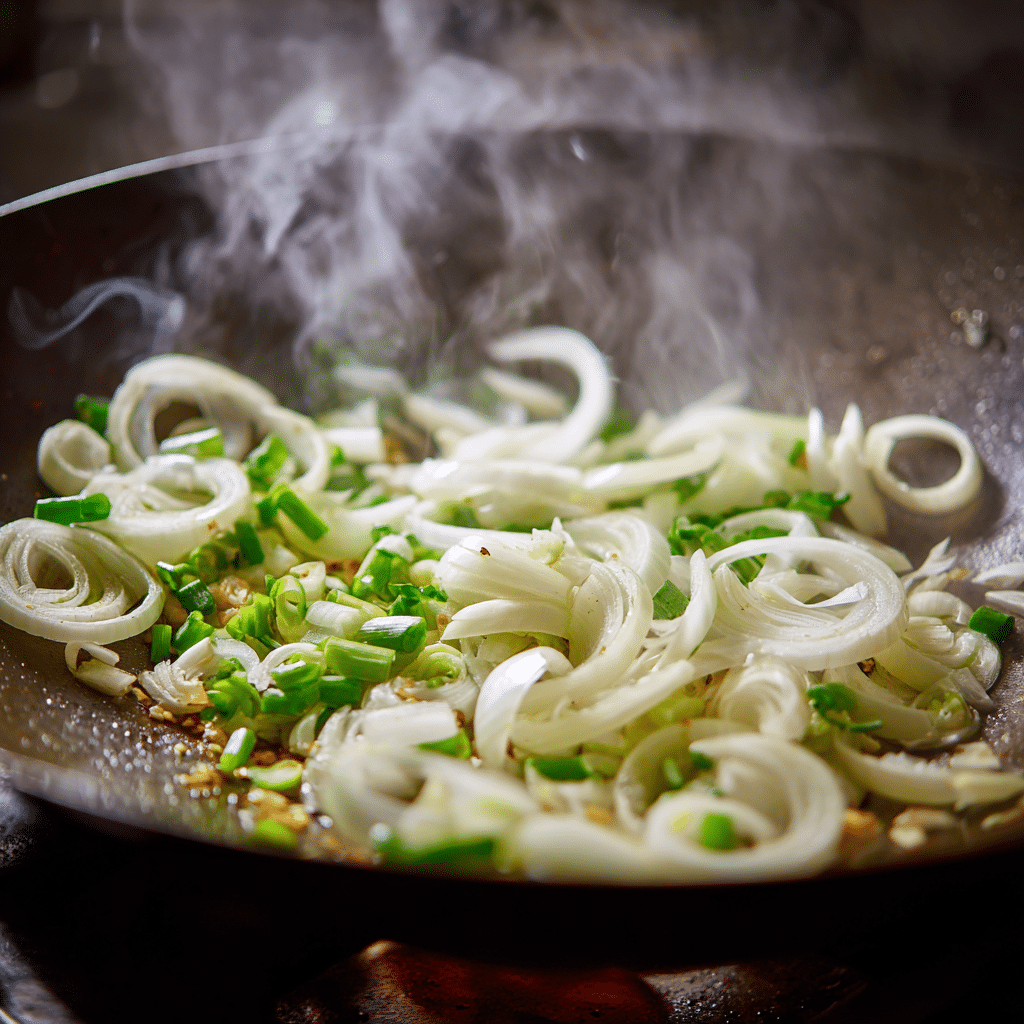
- Add the remaining oil to the same pan. Add the onions, garlic, and the white parts of the green onions. Stir-fry for 1-2 minutes until fragrant and softened.
- Add carrot, zucchini, cabbage, and mushrooms. Stir-fry for 3-4 minutes, until vegetables are bright and tender-crisp.
- Return the cooked meat or tofu to the pan. Add the prepared udon noodles.
- In a small bowl, mix together soy sauce, oyster sauce, mirin, sake (if using), and sesame oil.
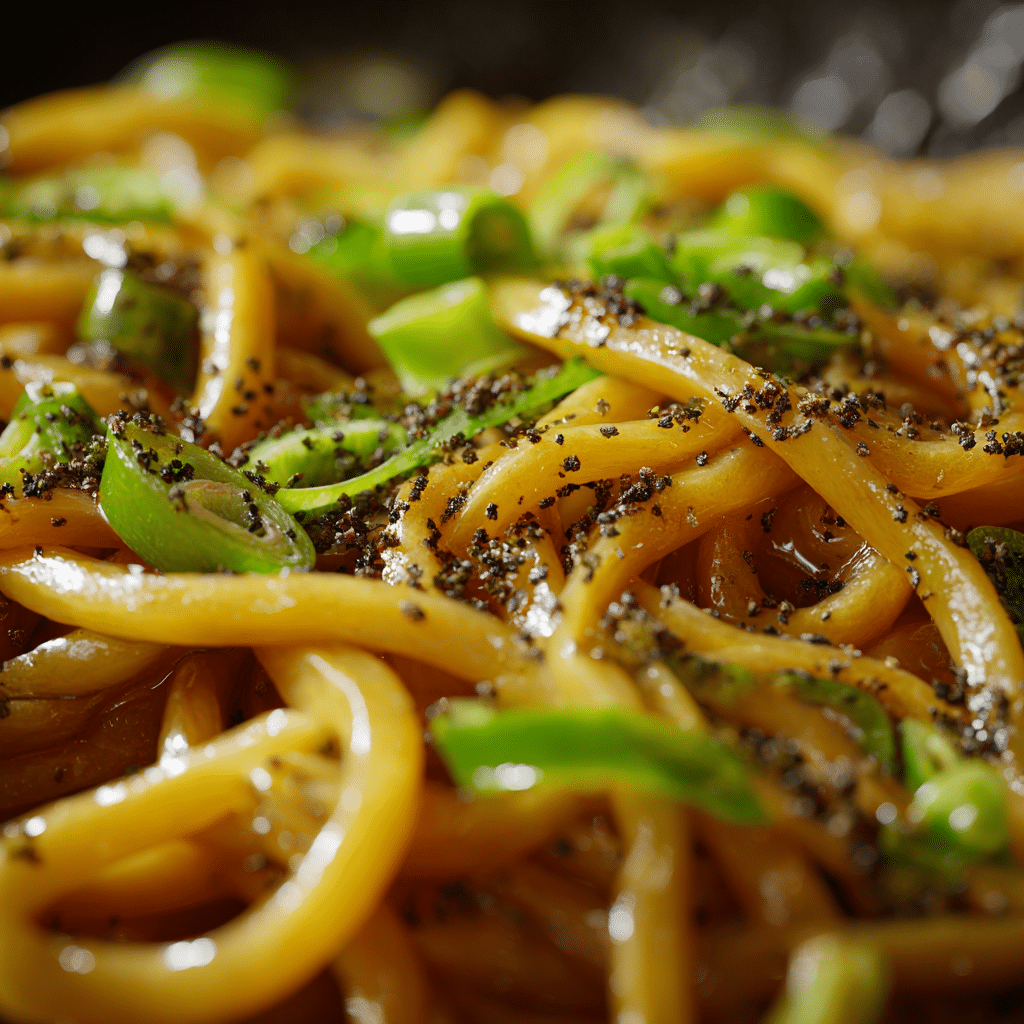
- Pour the sauce over the noodles and toss everything well to coat. Continue stir-frying for another 2-3 minutes, ensuring the noodles are evenly colored and start to caramelize slightly.
- Add green parts of the onions, freshly ground black pepper, and toss a final time. Taste and adjust seasoning if necessary.
- Garnish The Best Yaki Udon with sesame seeds and shichimi togarashi if desired.
- Serve immediately while steaming hot. Enjoy!
Nutritional Information
The Best Yaki Udon is not just a feast for the senses but also provides a balanced nutritional profile, making it a wholesome choice for lunch or dinner.
A typical serving (approximately 450g) contains around 450-500 calories, with a good balance of carbohydrates (from the udon noodles), protein (from chicken, beef, tofu, or mushrooms), and healthy fats (thanks to sesame oil).
The abundance of colorful vegetables like carrots, cabbage, and zucchini contribute dietary fiber, essential vitamins like vitamin A and C, and beneficial antioxidants that boost immune health and aid digestion. The protein component supports muscle repair and maintenance, especially when lean meats or tofu are used.
Low in saturated fat, this dish’s sodium content can be moderated by using low-sodium soy sauce, making it heart-friendly. There is minimal added sugar, and overall fat content remains low due to the stir-fry method.
By choosing plant-based proteins or omitting meat, The Best Yaki Udon fits vegetarian diets and can also be tailored to suit vegan preferences. This recipe brings together diverse nutrients in every bite, promoting sustained energy without heaviness and providing the micro- and macronutrients needed for a balanced meal.
Wine/Beverage Pairings With The Best Yaki Udon
Yaki Udon’s savory depth and gentle sweetness pair exceptionally well with a range of beverages. For a traditional Japanese touch, serve with chilled or warm sake, whose complexity complements the umami-rich sauce.
Green tea, both hot or cold, is a refreshing choice that cleanses the palate without overpowering the subtle flavors of the noodles and vegetables.
For those who enjoy wine, a crisp Sauvignon Blanc or light Riesling provides balance with their acidity and floral notes, cutting through the richness of the dish. If you prefer non-alcoholic options, a cold barley tea (mugicha) or sparkling water with a twist of lemon makes for ideal pairings.
Beer lovers can enjoy a light Japanese lager or wheat beer, both of which have enough effervescence to refresh between bites of this hearty stir-fry.
Cooking Tips and Variations
Creating The Best Yaki Udon at home is as much about technique as it is about high-quality ingredients. Firstly, always use fresh or high-quality frozen udon noodles for the best chewy texture.
If you have access to homemade udon or fresh varieties from Asian markets, your dish will soar in authenticity. Do not overcook the noodles; just soak briefly to separate and never boil for long, to preserve their signature bouncy bite.
For protein, thinly sliced chicken thighs, beef (like sirloin or ribeye), or pork work beautifully, but extra-firm tofu or assorted mushrooms are excellent for meat-free versions.
Vegetables can be switched up based on seasonality: bell peppers, snap peas, spinach, or bok choy can be added or substituted for variety and color. Stir-frying quickly over high heat is the key, ensuring all ingredients cook evenly while maintaining their texture and vibrant color.
When making the sauce, taste as you go – salt levels in soy and oyster sauces can vary. Add a little sugar or chili paste for sweetness or heat, if desired. Finally, for presentation and added flavor, garnish liberally with toasted sesame seeds, sliced green onions, or nori flakes.
For an extra layer of umami, add a dash of fish sauce or a sprinkle of bonito flakes. Meal prepping The Best Yaki Udon is simple: chop vegetables in advance and keep sauces ready for a speedy meal anytime.
Serving Suggestions
When presenting The Best Yaki Udon, consider individual deep bowls or plates to showcase the tangle of glossy noodles, vibrant vegetables, and succulent protein. Serving in wide, shallow bowls keeps the noodles from sticking and allows room for generous toppings.
Garnish each portion with a sprinkle of sesame seeds, chopped green onions, and a light dusting of shichimi togarashi or nori flakes for an appealing visual and flavor boost.
This dish is often enjoyed hot and fresh, so serve immediately after cooking to capture the texture and aroma at its peak. For a family-style meal, transfer the Yaki Udon to a large platter and let everyone help themselves.
Accompany with small dishes of Japanese pickles or a light miso soup for a complete meal experience. If planning for a gathering, pair with other Japanese small plates like gyoza, tempura, or seaweed salad to round out the meal.
The Best Yaki Udon also makes excellent leftovers, reheating well in a skillet or microwave the next day. Remember to offer chopsticks for an authentic touch, or forks for convenience.
Personalized extra toppings, such as pickled ginger, wasabi, or extra chili oil, allow guests to customize their own bowls for an interactive and flavorful meal.

The Best Yaki Udon Health Benefits
The Best Yaki Udon is a nourishing choice for those seeking a balanced, home-cooked meal. The combination of hearty udon noodles for sustained energy and a colorful array of vegetables delivers a good mix of carbohydrates, dietary fiber, vitamins, and minerals essential for wellness.
Using lean proteins such as chicken or tofu lowers saturated fat intake, supporting heart and metabolic health, while plant-based versions cater easily to vegetarian and vegan diets. Stir-frying in minimal oil ensures that healthy fats predominate, and the predominantly low-glycemic ingredients help maintain stable blood sugar levels.
Antioxidants from shiitake mushrooms, carrots, and cabbage enhance immune function and may reduce inflammation. Additionally, sesame seeds and a light use of oils provide Omega-6 fatty acids, vital for cellular health.
Since you control every ingredient, it is simple to reduce sodium by opting for low-sodium soy sauce and customizing the spice level. The balance of plant and animal proteins helps with satiety and muscle nutrition, making The Best Yaki Udon a wise inclusion for diverse dietary needs.
Its flexibility also aids in accommodating food allergies and preferences, from gluten-free noodles to alternative sauces. Well-portioned and cooked with mindfulness, this dish supports overall well-being while satisfying your craving for Japanese comfort food.
FAQs About The Best Yaki Udon
Can I make The Best Yaki Udon vegetarian or vegan?
Absolutely. Simply omit meat and substitute with firm tofu or an ample variety of mushrooms. Use vegetarian oyster sauce or a mix of soy sauce and a splash of mushroom sauce for the savory depth.
How do I prevent the udon noodles from sticking together?
After quickly soaking or boiling the noodles, drain them and gently toss with a few drops of oil. Stir-fry as soon as possible to avoid clumping, and keep the pan hot for quick, even cooking.
What is the best protein for this recipe?
Chicken thigh, beef slices, and pork are all traditional and flavorful options. For a lighter or plant-based choice, firm tofu or mixed mushrooms also provide delicious alternatives.
How spicy is The Best Yaki Udon?
The dish is generally mild, but you can increase the heat with shichimi togarashi, chili paste, or sliced fresh chilies according to your taste when serving.
Can I prepare Yaki Udon in advance?
While best enjoyed fresh, you can prepare the vegetables and sauces ahead. If storing, cool the cooked Yaki Udon quickly and refrigerate. Reheat in a skillet for the best texture.
The Best Yaki Udon stands as a testament to the comfort, versatility, and irresistible allure of Japanese stir-fried noodle dishes. With its quick preparation, harmonious balance of umami sauces, vibrant vegetables, and tender proteins or plant-based options, this dish adapts seamlessly to every dietary preference, making it a go-to choice for busy weeknights, festive gatherings, or satisfying solo meals. By following simple techniques and utilizing fresh ingredients, anyone can achieve restaurant-quality stir-fry at home while enjoying the benefits of a wholesome, nutrient-rich meal. Whether you are drawn to the authenticity of classic Japanese cuisine or seeking to experiment with flavorful variations, The Best Yaki Udon promises a culinary experience brimming with tradition, nutrition, and comfort. Delight in the ease, flavor, and nourishing qualities of this beloved recipe, and bring a taste of Japan’s culinary heritage to your own kitchen with every bowl.
Ingredients
- 14 oz (400 g) fresh udon noodles
- 8 oz (225 g) chicken breast or tofu, sliced
- 1 cup cabbage, chopped
- 1/2 cup carrots, julienned
- 1/2 cup mushrooms, sliced
- 2 scallions, chopped
- 2 tbsp soy sauce
- 1 tbsp oyster sauce
- 1 tbsp sesame oil
- 2 cloves garlic, minced
- 1 tbsp vegetable oil
- 1 tsp sugar
- Black pepper, to taste
Instructions
-
1Cook udon noodles according to package instructions, then drain and set aside.
-
2Heat vegetable oil in a large skillet or wok over medium-high heat. Add chicken (or tofu) and cook until browned and cooked through. Remove and set aside.
-
3Add garlic to the skillet and sauté for 30 seconds. Add cabbage, carrots, and mushrooms, and stir-fry for 2-3 minutes until just tender.
-
4Return the cooked chicken (or tofu) and noodles to the pan. Add soy sauce, oyster sauce, sesame oil, sugar, and black pepper.
-
5Toss everything together for 2-3 minutes, until noodles are well coated and heated through. Garnish with chopped scallions and serve immediately.
Approximate Information for One Serving
Nutrition Disclaimers
Number of total servings shown is approximate. Actual number of servings will depend on your preferred portion sizes.
Nutritional values shown are general guidelines and reflect information for 1 serving using the ingredients listed, not including any optional ingredients. Actual macros may vary slightly depending on specific brands and types of ingredients used.
To determine the weight of one serving, prepare the recipe as instructed. Weigh the finished recipe, then divide the weight of the finished recipe (not including the weight of the container the food is in) by the desired number of servings. Result will be the weight of one serving.
Did you make this recipe?
Please consider Pinning it!!