Maple Donut Bars
Maple Donut Bars are a delightful treat celebrated for their fluffy, cake-like dough and signature maple glaze. This classic pastry, also known as the maple bar, has long been a favorite in bakeries and coffee shops across North America, especially in the United States and Canada.
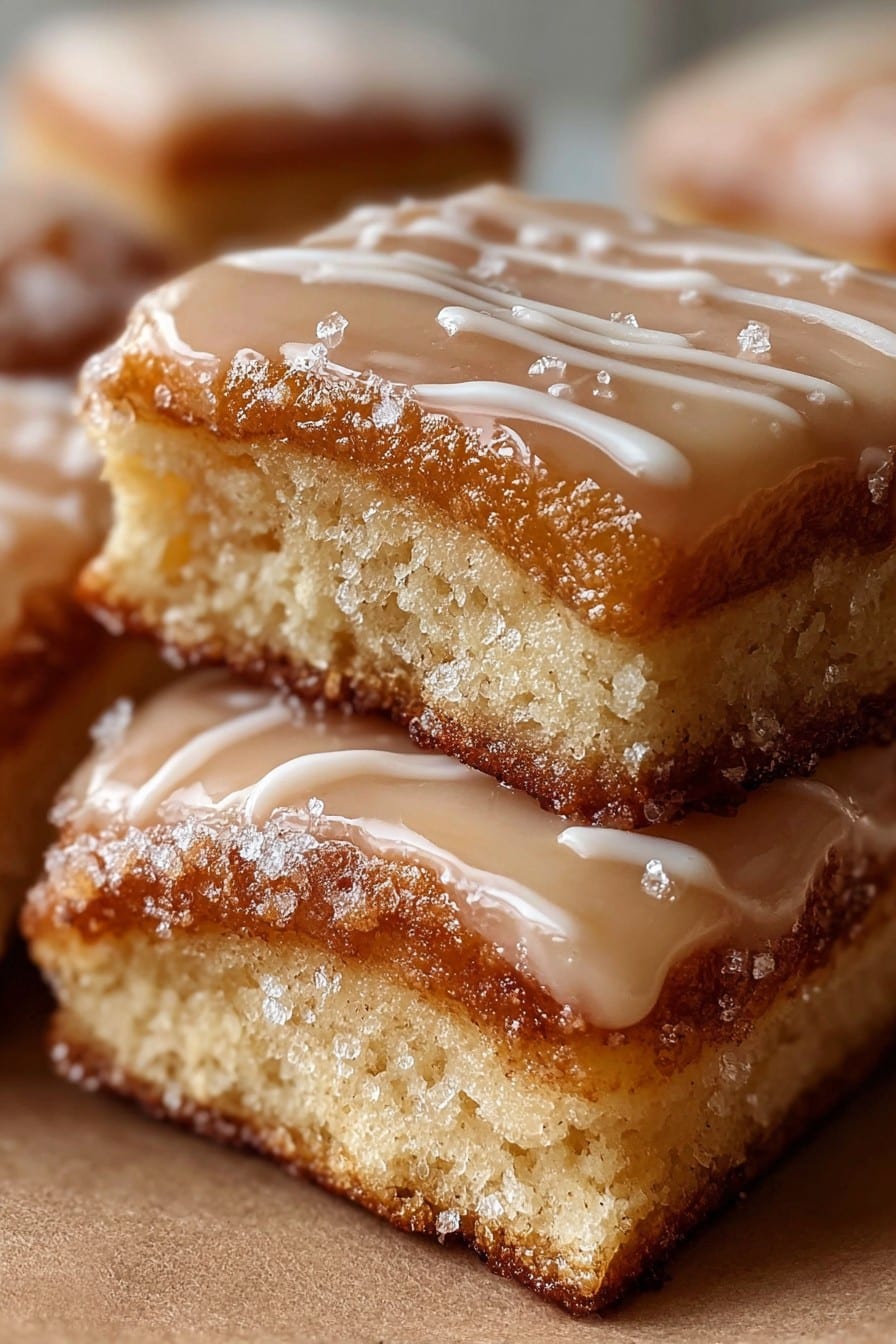
Their origin can be traced back to traditional yeast donuts, but the maple bar stands out thanks to its rectangular shape and a lustrous, sweet maple icing. Over decades, Maple Donut Bars have become an iconic breakfast pastry, thanks to their satisfying texture and perfect balance of sweetness.
Whether enjoyed in the morning with a hot cup of coffee or served as a delightful dessert at family gatherings, these bars never fail to evoke a sense of nostalgia.
The key to their appeal lies in the harmonious marriage of rich, buttery dough with the robust, earthy flavor of maple syrup. Home baking enthusiasts cherish Maple Donut Bars for their simplicity, minimal equipment requirements, and the joy of creating a bakery-worthy confection from scratch.
With just a handful of pantry staples and pure maple syrup, anyone can recreate this beloved pastry in their own kitchen.
In this comprehensive guide, you’ll discover everything you need to know about making the perfect Maple Donut Bars, from selecting quality ingredients to mastering the maple glaze, as well as tips for serving, beverage pairings, health benefits, and frequently asked questions.
Let’s dive into the world of Maple Donut Bars and bring the irresistible aroma of fresh, homemade donuts into your home.
Ingredients
- 2 1/4 teaspoons active dry yeast
- 1/4 cup warm water (110°F/43°C)
- 3/4 cup whole milk, room temperature
- 1/4 cup granulated sugar
- 1/4 cup unsalted butter, melted
- 1 large egg
- 1 teaspoon vanilla extract
- 3/4 teaspoon salt
- 3 cups all-purpose flour (plus extra for dusting)
- Canola or vegetable oil for frying (about 4 cups)
- 1/4 cup unsalted butter, melted (for glaze)
- 2 cups powdered sugar
- 1/4 cup pure maple syrup
- 1/2 teaspoon maple extract (optional, for a stronger maple flavor)
- 1-2 tablespoons milk (as needed for glaze consistency)
Instructions
- In a small bowl, dissolve the active dry yeast in warm water and let it stand for 5 minutes, until foamy.
- In a large mixing bowl, combine the milk, granulated sugar, melted butter, egg, vanilla extract, and salt. Stir to blend.
- Add the foamy yeast mixture to the bowl and mix until combined.
- Gradually add the all-purpose flour, one cup at a time, mixing until a soft dough forms. The dough should be slightly sticky but pull away from the sides of the bowl.
- Turn the dough onto a lightly floured surface and knead for 5–7 minutes, until smooth and elastic.
- Place the dough in a greased bowl, cover with a clean towel, and let it rise in a warm area for about 1 hour or until doubled in size.
- Once the dough has risen, punch it down and turn it out onto a floured workspace. Roll the dough into a rectangle, about 1/2 inch thick.
- Using a sharp knife or a pizza cutter, cut the dough into bar shapes, approximately 1.5 x 4 inches each.
- Place the bars on a parchment-lined baking sheet, cover with a towel, and let rest for 20–30 minutes.
- Heat the oil in a deep fryer or large heavy pot to 350°F (175°C). Carefully fry the bars in batches, 1–2 minutes on each side, until golden brown. Do not overcrowd the pan.
- Remove the donut bars with a slotted spoon and drain on paper towels. Allow to cool slightly before glazing.
- For the glaze, whisk together the melted butter, powdered sugar, maple syrup, maple extract (if using), and 1 tablespoon milk. Add up to 1 more tablespoon of milk if needed to reach a smooth, pourable consistency.
- Dip the top of each slightly-cooled donut bar into the maple glaze. Place on a wire rack to allow excess glaze to drip off and let set for about 10 minutes before serving.
Nutritional Information
Maple Donut Bars are a rich, indulgent treat, offering both comfort and energy in each serving. A typical homemade maple bar (based on the recipe above) contains approximately 320–350 calories, with about 14 grams of fat, 4 grams of saturated fat, and 35–38 grams of carbohydrates.
The fat content largely comes from frying and the butter in both the dough and the glaze, providing that tender crumb and mouthwatering flavor. Each bar offers around 4–5 grams of protein, thanks to the egg and milk.
Maple syrup used in the glaze contributes natural sugars, while also offering trace minerals such as manganese and zinc. While these bars are best enjoyed in moderation, they can be part of a balanced diet when paired with fresh fruit or a protein source like yogurt or milk.
Homemade Maple Donut Bars have the added advantage of being free from preservatives and artificial additives often found in store-bought options, giving you more control over your ingredients and serving size. You can also adjust the recipe to reduce sugar or fat if desired.
Enjoying a Maple Donut Bar is not only about taste but also about creating memorable moments with friends and family over a delicious, comforting pastry.
Wine and Beverage Pairings
Maple Donut Bars pair beautifully with a variety of beverages. For a classic breakfast combination, serve them alongside a robust cup of black coffee or a rich café latte; the bitterness of coffee nicely offsets the sweetness of the maple glaze.
For tea lovers, an English Breakfast or Assam tea with a hint of milk complements the dough's richness. A glass of cold milk is an ever-popular choice and especially delightful for kids. If you prefer something unique, try a maple-infused hot chocolate or a vanilla chai.
For adult gatherings, consider serving Maple Donut Bars with dessert wines such as a late harvest Riesling or a nutty sherry, as these will harmonize with the warm flavors of maple syrup and dough.
Cooking Tips and Variations
When making Maple Donut Bars at home, a few expert tips can help ensure perfect results every time. First, always allow your yeast mixture to become foamy before mixing it with other ingredients; this step proves your yeast is active and will help the dough rise.
For a super light texture, avoid adding too much flour; the dough should remain slightly tacky. After rolling out the dough, handle it gently to preserve air bubbles for a fluffier result. Frying temperature is crucial: always keep your oil between 350°F and 360°F.
Use a thermometer for the most accurate results, as oil that is too cool can make the bars greasy, while oil that is too hot will brown the outside before the inside cooks through.
Once fried, allow bars to rest briefly on a rack before glazing, so the glaze adheres nicely without melting off. For variations, try adding a pinch of cinnamon or nutmeg to the dough, or swapping maple syrup in the glaze for honey or vanilla for a new flavor twist.
To make vegan Maple Donut Bars, substitute plant-based milk and butter, and use a flax egg for binding. You can also bake the bars instead of frying by letting them rise, brushing with melted butter, and baking at 350°F for 12–15 minutes until golden.
For a crunch, top the glaze with chopped toasted pecans or walnuts. No matter your variation, always let the maple glaze set completely for that iconic glossy finish.
Serving Suggestions
Maple Donut Bars are best served fresh, ideally on the day they are made. Present them on a platter lined with parchment paper for a bakery-style look, or arrange them in a basket lined with a crisp, linen napkin.
For an indulgent weekend brunch, accompany Maple Donut Bars with bowls of fresh berries, fruit salad, or yogurt parfaits to provide balance and variety. If serving at a party or family event, consider cutting the bars into smaller squares for bite-sized treats that are easy to share.
Maple Donut Bars are also perfect for breakfast buffets, holiday tables, potlucks, or as a sweet complement to a brunch spread. For an extra flourish, garnish with a light dusting of powdered sugar, a drizzle of dark chocolate, or a scattering of chopped toasted nuts on the glaze.
To keep them fresh, cover with a clean towel, or store leftovers in an airtight container at room temperature for up to two days. Lightly warm in the microwave for 10 seconds before serving to restore the just-baked softness.
With their golden color and sweet aroma, Maple Donut Bars are sure to be the centerpiece of any gathering.
Health Benefits
While Maple Donut Bars are a sweet indulgence, they do offer some nutritional value, especially when prepared at home with wholesome ingredients. The use of real maple syrup provides antioxidants and minerals such as manganese, zinc, and calcium, which support immune health and energy metabolism.
Milk and eggs contribute protein and calcium, essential for muscle and bone health. Preparing Maple Donut Bars from scratch allows you to avoid artificial colors, flavors, and preservatives commonly found in store-bought donuts.
You can also make health-conscious modifications: use whole wheat flour for extra fiber, reduce the sugar in the dough, or bake instead of fry to lower fat content. Plant-based substitutions make these bars accessible to those following vegan diets.
By moderating portion sizes and pairing your Maple Donut Bars with nutrient-rich sides like fresh fruit or low-fat yogurt, you create a balanced, delicious breakfast or snack. Remember, enjoying treats like Maple Donut Bars can contribute to an emotionally satisfying, diverse diet when consumed mindfully and in moderation.
Frequently Asked Questions
Yes, you can prepare Maple Donut Bars a day ahead. Store them in an airtight container at room temperature. For best texture, add the glaze shortly before serving.
Absolutely. After shaping, let the bars rise, brush with melted butter, and bake at 350°F for 12–15 minutes until golden brown. The texture will differ slightly but remain delicious.
You can use imitation syrup, but using pure maple syrup gives the glaze an authentic, deeper flavor and aroma. Maple extract can also enhance the taste if using lighter syrups.
For a gluten-free option, substitute a high-quality gluten-free all-purpose flour blend in place of regular flour, and ensure all other ingredients are gluten-free.
Chopped toasted pecans, walnuts, crushed freeze-dried fruit, or a drizzle of chocolate all make delicious additions to the maple glaze.
Maple Donut Bars bring together the best aspects of classic donut making and the irresistible allure of maple flavor. Whether you are a passionate home baker or just exploring a new breakfast treat, this recipe promises impressive results with tender dough and a luscious, sweet glaze. Preparing Maple Donut Bars from scratch not only fills your home with their enticing aroma but also creates an opportunity to share joy and delicious moments with loved ones. With a few simple ingredients and some basic kitchen techniques, you can craft bakery-style maple bars that are perfect for any occasion. Enjoy them fresh, experiment with your favorite toppings, and savor every bite of these homemade classics. Now that you have the ultimate guide, let Maple Donut Bars become a cherished addition to your recipe collection.
Ingredients
- 2 cups all-purpose flour
- 1/2 cup granulated sugar
- 1/4 cup unsalted butter, melted
- 2 large eggs
- 1/2 cup milk
- 1 1/2 tsp baking powder
- 1/4 tsp salt
- 1 1/2 tsp vanilla extract
- 1 cup powdered sugar (for glaze)
- 2 tbsp maple syrup (for glaze)
- 2 tbsp milk (for glaze)
Instructions
-
1Preheat oven to 350°F (175°C). Grease a rectangular baking pan or line with parchment paper.
-
2In a large bowl, whisk together flour, granulated sugar, baking powder, and salt.
-
3In another bowl, combine melted butter, eggs, milk, and vanilla extract. Mix well.
-
4Pour the wet ingredients into the dry ingredients. Stir until just combined and no dry flour remains.
-
5Spread the batter evenly into the prepared pan. Bake for 15 minutes, or until a toothpick inserted in the center comes out clean. Allow bars to cool completely.
-
6For the glaze, whisk together powdered sugar, maple syrup, and milk in a bowl until smooth. Spread the glaze over the cooled bars. Slice into rectangles and serve.
Approximate Information for One Serving
Nutrition Disclaimers
Number of total servings shown is approximate. Actual number of servings will depend on your preferred portion sizes.
Nutritional values shown are general guidelines and reflect information for 1 serving using the ingredients listed, not including any optional ingredients. Actual macros may vary slightly depending on specific brands and types of ingredients used.
To determine the weight of one serving, prepare the recipe as instructed. Weigh the finished recipe, then divide the weight of the finished recipe (not including the weight of the container the food is in) by the desired number of servings. Result will be the weight of one serving.
Did you make this recipe?
Please consider Pinning it!!