Korean Pancakes (Pajeon)
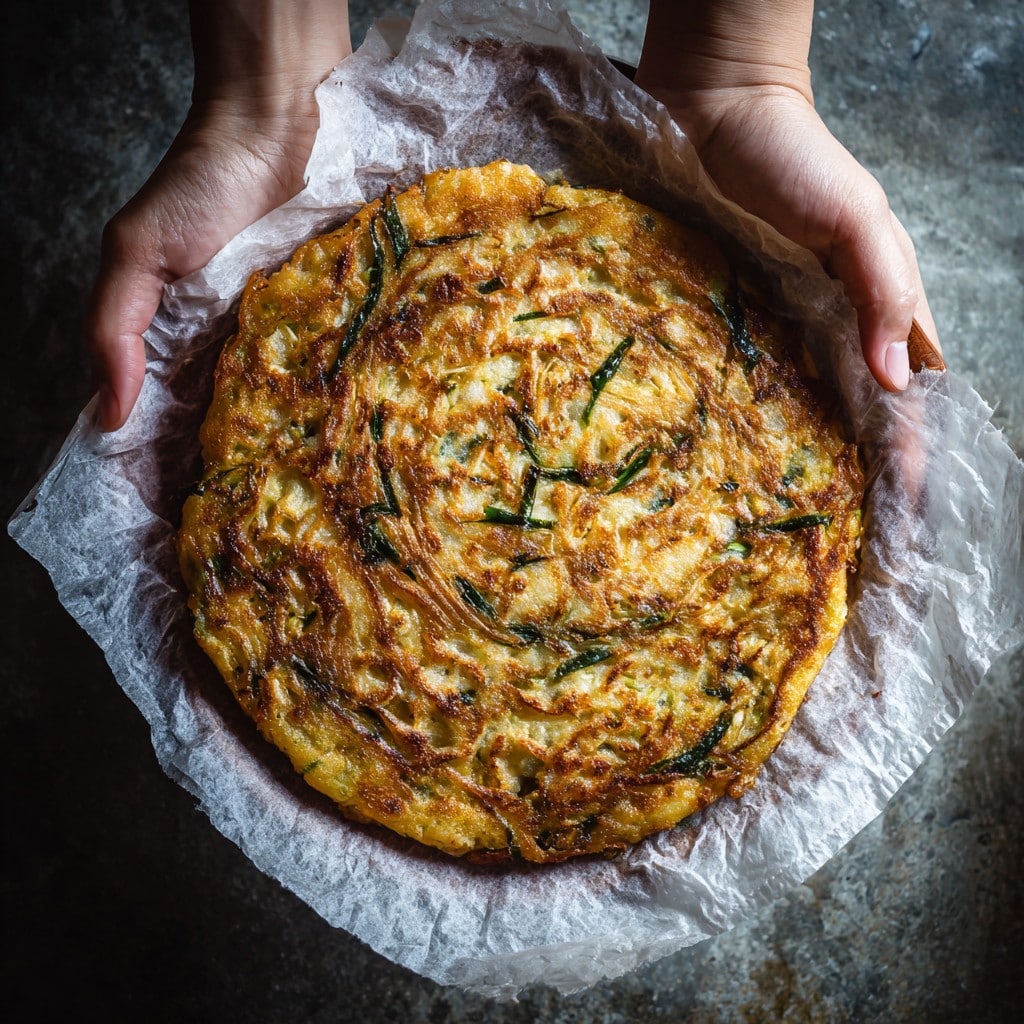
Korean Pancakes (Pajeon) are a beloved dish in Korean cuisine, known for their crispy exterior and savory, flavorful fillings. Originating from Korea, Pajeon literally means “green onion pancake” (pa = scallion, jeon = pan-fried dish), highlighting the delicate yet distinctive taste of green onions at the heart of the recipe.
These pancakes are often considered a comfort food, enjoyed both as a snack and as an accompaniment to various meals, especially during rainy days.
The tradition of eating Korean Pancakes (Pajeon) when it rains ties back to the soothing sound of sizzling batter on a hot pan, which many say resembles the gentle patter of raindrops.
While scallions are the traditional core ingredient, many versions include seafood like squid or shrimp, or even kimchi for a spicy kick. This dish’s popularity has grown well beyond Korea, celebrated for its versatile and easy-to-master preparation.
Whether you are a fan of Korean cuisine or simply looking to try a new flavor adventure, mastering Korean Pancakes (Pajeon) will add a delicious option to your culinary repertoire.
For more detail on Korean culinary history, you can read about the background of jeon recipes on the Korean Bapsang website (https://www.koreanbapsang.com/seafood-pajeon-recipe/), a top-rated resource for Korean home cooking.
Ingredients for Korean Pancakes (Pajeon)
- 1 cup all-purpose flour
- 1/2 cup rice flour
- 1 1/4 cups cold water
- 2 large eggs
- 1/2 teaspoon salt
- 1/4 teaspoon ground black pepper
- 1 bunch green onions (scallions), cut into 2-inch pieces
- 1 small carrot, julienned
- 1/2 medium zucchini, julienned
- 1/2 cup mung bean sprouts, rinsed
- 1/2 cup sliced mushrooms (shiitake or button)
- 1/2 cup seafood mix (optional: shrimp, squid, or mussels)
- 2 tablespoons vegetable oil (more for frying)
- Soy dipping sauce: 2 tablespoons soy sauce, 1 tablespoon rice vinegar, 1 teaspoon sesame oil, 1 teaspoon sugar, 1 teaspoon chopped green chili (optional), 1 teaspoon toasted sesame seeds
Instructions for Making Korean Pancakes (Pajeon)
- In a large mixing bowl, whisk together the all-purpose flour and rice flour.
- Gradually pour in the cold water, whisking as you go to create a smooth, lump-free batter.
- Beat the eggs lightly and stir them into the batter, then add salt and black pepper.
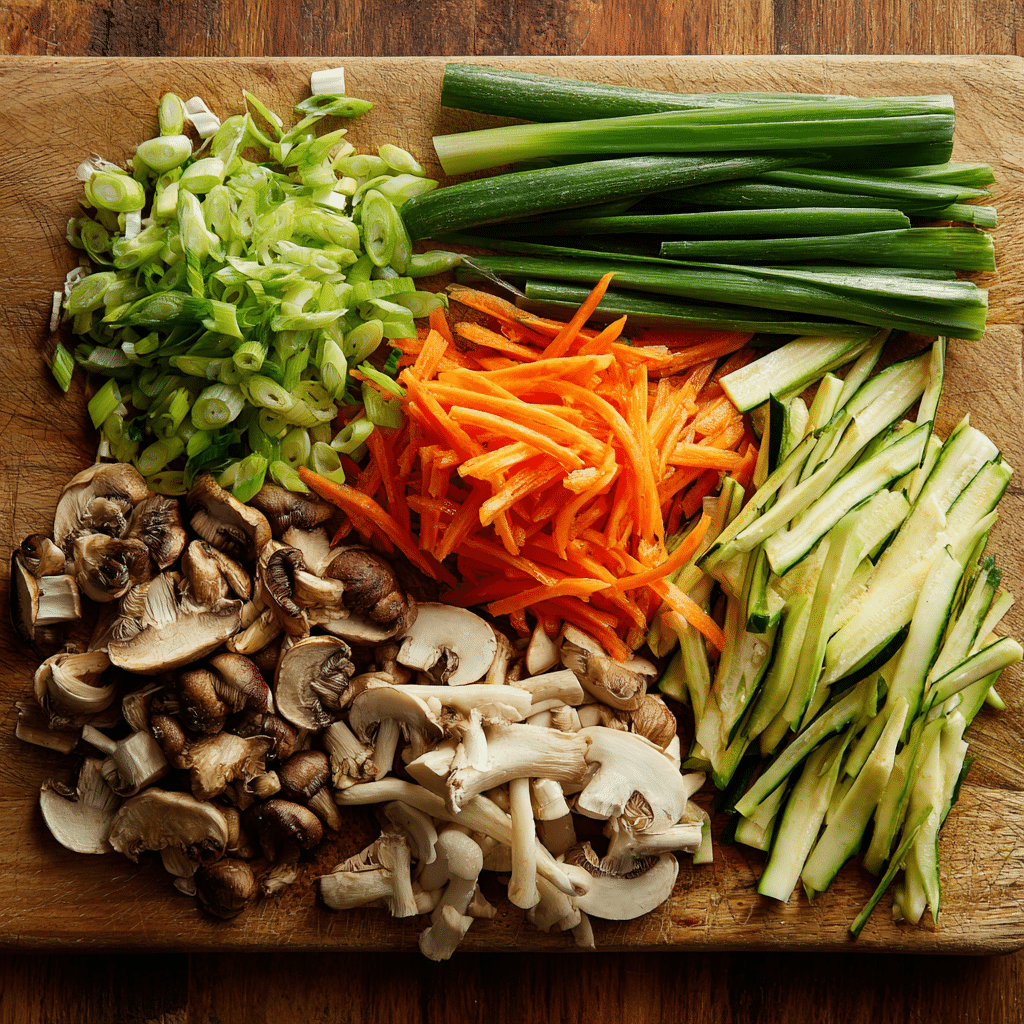
- Prepare the vegetables by slicing the green onions into 2-inch segments. Julienne the carrot and zucchini, and slice mushrooms thinly.
- Add the prepared vegetables and sprouts to the batter, stirring gently to coat them well.
- If using, add seafood mix into the batter and combine evenly.
- Heat a nonstick skillet over medium-high heat and add 1 tablespoon of vegetable oil.
- Pour approximately 1/3 to 1/2 of the batter into the hot skillet, spreading evenly to form a round pancake about 1/2-inch thick.
- Cook undisturbed for 3-4 minutes until the edges turn golden and crispy. Carefully flip the pancake using a wide spatula.
- Drizzle a little more oil around the edges if needed. Cook the other side for another 3-4 minutes until both sides are deeply golden and crisp.
- Remove the pajeon to a paper towel-lined plate to drain excess oil. Repeat with remaining oil and batter.
- Slice into wedges and serve hot with prepared soy dipping sauce.
Nutritional Information
Korean Pancakes (Pajeon) offer balanced nutrition, combining carbohydrates from the flour, protein from eggs and optional seafood, and a variety of vitamins and minerals from fresh vegetables.
Each serving (about one-sixth of the recipe) provides approximately 180-220 calories, with about 6-8 grams of protein and 6-9 grams of fat, depending on the quantity of oil used.
The inclusion of green onions, carrots, zucchini, and mushrooms introduces a spectrum of nutrients such as antioxidants, fiber, vitamin C, and B vitamins. If you choose to add seafood, this enhances the omega-3 fatty acid and additional protein content, making pajeon even more nutritious.
The dish can be tailored to suit dietary needs by switching to whole grain or gluten-free flours, or by adding extra vegetables for a higher fiber content.
For more information on nutritional benefits of traditional Korean recipes, consult sources like the U.S. Department of Agriculture’s FoodData Central database (https://fdc.nal.usda.gov/), which provides detailed analytical nutrition data.
Wine/Beverage Pairings With Korean Pancakes (Pajeon)
Korean Pancakes (Pajeon) boast savory flavors and a crispy texture, making them a delightful accompaniment to both traditional and contemporary drinks. For an authentic Korean experience, pair pajeon with makgeolli, a slightly sweet, lightly sparkling Korean rice wine known for complementing the flavors of fried dishes.
Alternatively, a crisp lager or pilsner beer can provide a refreshing contrast to the rich, savory taste of the pancakes. White wines such as Sauvignon Blanc or Pinot Grigio, with their citrusy and acid-driven profiles, cut through the slight greasiness and enhance the fresh vegetables’ flavors.
Those seeking a non-alcoholic option may enjoy pairing with a cup of cold barley tea or a light, unsweetened green tea, which provide a clean palate between rich bites. Each suggestion enhances the overall dining experience and underscores the versatility of Korean Pancakes (Pajeon).
Cooking Tips and Variations
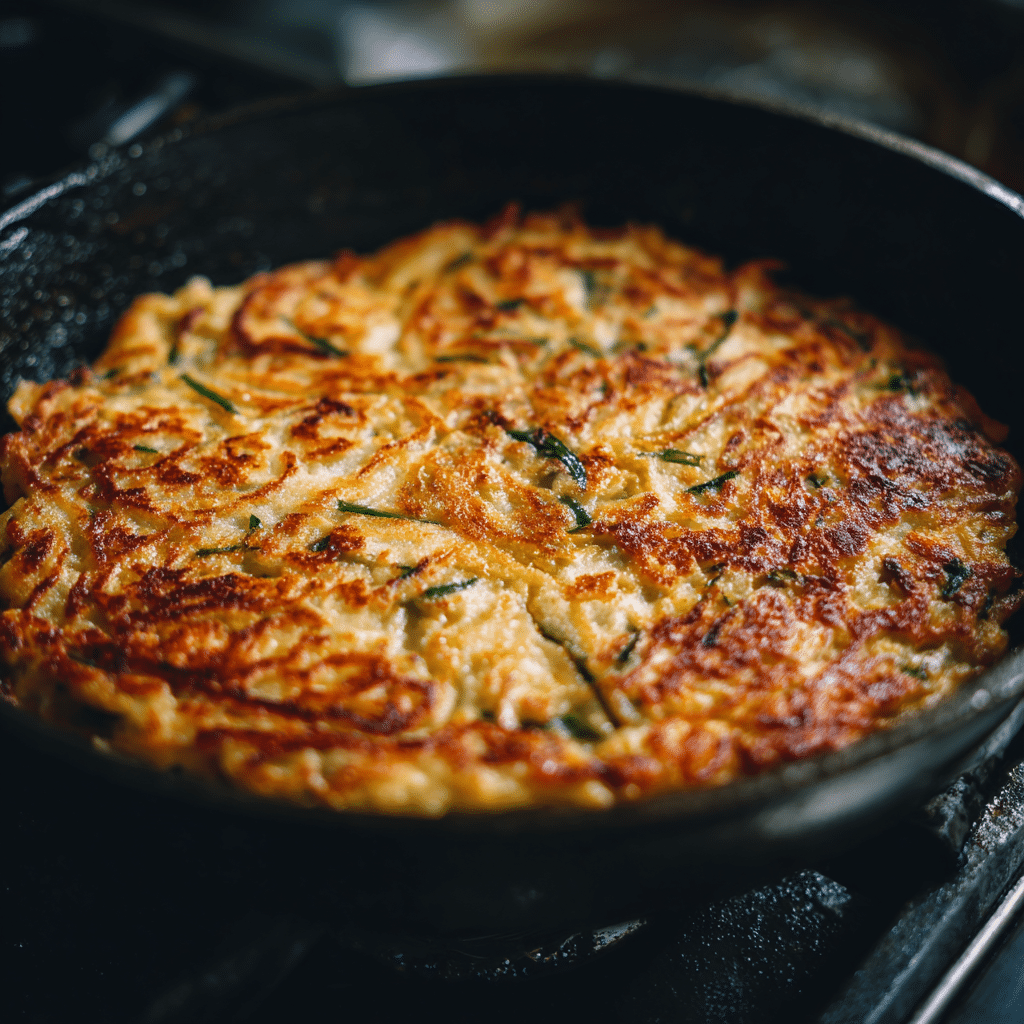
Achieving crispy Korean Pancakes (Pajeon) requires a few easy tricks. First, keep the batter cold by using chilled water, as this helps prevent the pancakes from becoming soggy during cooking.
For extra crunch, consider adding a small amount of rice flour to the batter, as its starch content contributes to a pleasingly crisp finish. If you want a heartier flavor, a dash of soy sauce or minced garlic can be mixed into the batter.
Feel free to experiment with different vegetables, such as bell peppers, spinach, or onions depending on your preferences. Seafood lovers can add a combination of shrimp, squid, or even oysters for an indulgent variation known as haemul pajeon.
To ensure even browning, do not overcrowd the pan and use enough oil so the pancakes shallow-fry rather than dry-cook. For a vegetarian version, simply omit the seafood or replace it with tofu strips or additional vegetables.
These tips will help you tailor Korean Pancakes (Pajeon) to your taste and dietary needs while maintaining their authentic charm.
Serving Suggestions
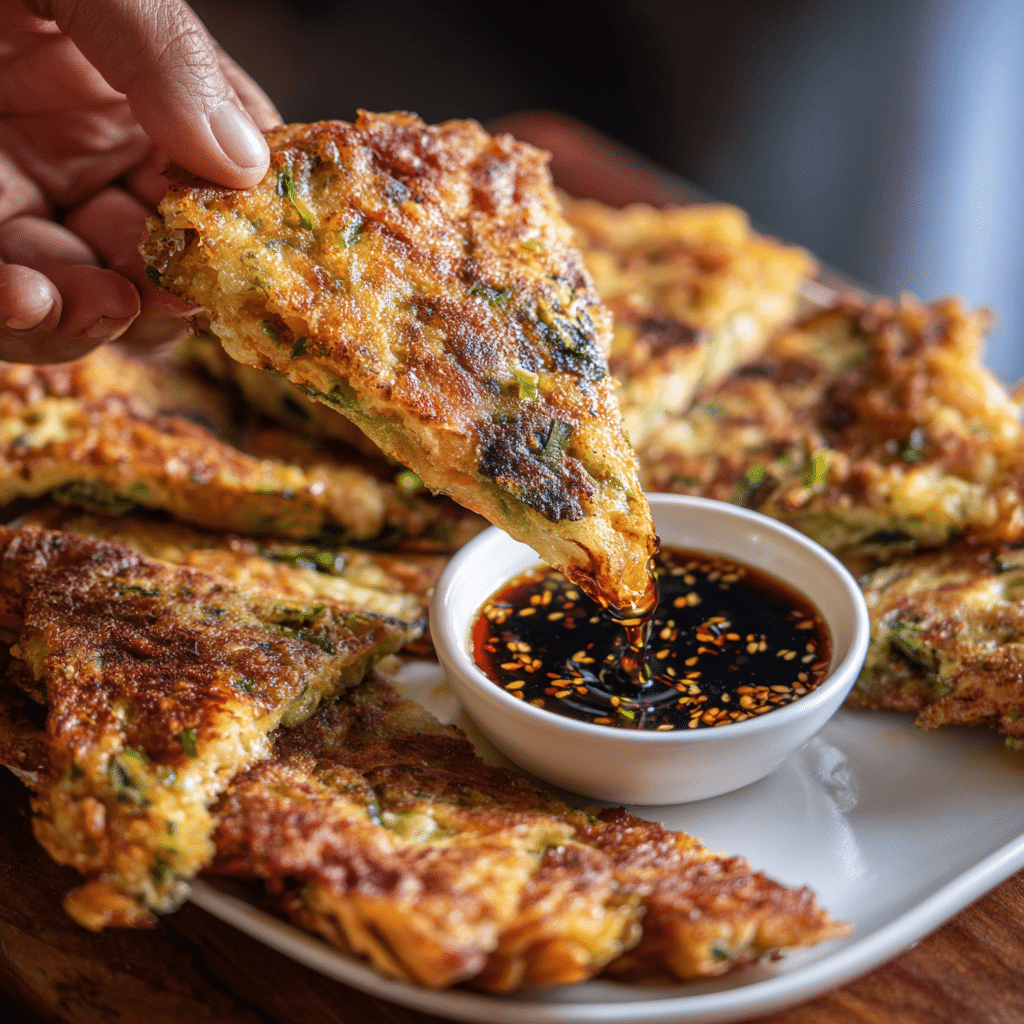
Korean Pancakes (Pajeon) are best served hot and fresh from the pan for optimal texture and flavor. Slice the large round pancake into wedges, similar to a pizza, and arrange on a wide platter for communal enjoyment—this matches the Korean tradition of sharing meals family-style.
Place a small bowl of the accompanying soy dipping sauce at the center of the platter or on each plate, allowing each person to dip their portion as they wish.
As an appetizer, offer pajeon alongside small bowls of kimchi, pickled radishes, and perhaps other popular Korean side dishes (banchan) to create an authentic dining environment. For brunch, pair Korean Pancakes (Pajeon) with fried or poached eggs for a fusion meal that satisfies both Western and Eastern palates.
If serving as part of a main course, accompany with a bowl of warm, steamed rice and a crisp cucumber salad for balance and freshness. These pancakes work equally well for casual gatherings, potlucks, or a cozy meal at home, as they adapt beautifully to different serving styles and occasions.
Ensure you present the Korean Pancakes (Pajeon) immediately after cooking to capture their characteristic crispy edge and inviting aroma.
Korean Pancakes (Pajeon) Health Benefits
Korean Pancakes (Pajeon) offer a range of health benefits when thoughtfully prepared. Packed with nutrient-dense vegetables such as scallions, carrots, and zucchini, they provide dietary fiber and essential vitamins like vitamin A, C, and K.
Using seafood as an ingredient contributes lean protein as well as omega-3 fatty acids, which are beneficial for heart and brain health. Eggs supply high-quality protein and various B vitamins, while mushrooms add antioxidants and minerals such as selenium and potassium.
By pan-frying in a moderate amount of vegetable oil and draining excess oil after cooking, the overall fat content can be kept in check. For those seeking lower carbohydrate options, substituting with whole wheat or alternative flours (like chickpea flour) can further enhance the nutritional profile.
Korean Pancakes (Pajeon) can thus be a part of a balanced, vegetable-forward diet. Moderation and variety are always key to maximizing health benefits.
FAQs About Korean Pancakes (Pajeon)
Can I make Korean Pancakes (Pajeon) gluten-free?
Yes, you can substitute the all-purpose flour and rice flour with certified gluten-free flour blends. Ensure the other ingredients, including the dipping sauce, are also free of gluten-containing additives.
What is the best way to store leftover Korean Pancakes (Pajeon)?
Store leftovers in an airtight container in the refrigerator for up to two days. To reheat, place in a hot, lightly oiled skillet to regain their crisp texture, or heat in a toaster oven.
Can I make Korean Pancakes (Pajeon) ahead of time?
While pajeon are best served fresh, you can prepare the batter and chopped vegetables in advance, storing them separately in the fridge. Cook the pancakes just before serving to preserve crispiness.
Is it necessary to use seafood in Korean Pancakes (Pajeon)?
Seafood is traditional in some versions but entirely optional. You can omit seafood for a vegetarian pancake, or customize with your favorite vegetables or proteins.
What dipping sauce goes best with Korean Pancakes (Pajeon)?
A classic soy dipping sauce with rice vinegar, sesame oil, and a touch of sugar complements the pancakes perfectly, but you can also add chili for heat or garlic for extra flavor.
Korean Pancakes (Pajeon) embody the spirit and warmth of Korean home cooking, offering a crave-worthy balance of taste, texture, and nutrition. With a simple batter, a colorful array of fresh vegetables, and customizable add-ins like seafood or tofu, these pancakes invite creativity while remaining incredibly easy to prepare. Whether enjoyed as a shared appetizer, a brunch centerpiece, or a main meal accompanied by your favorite sides, Korean Pancakes (Pajeon) bring satisfaction with every crispy, savory bite. Try this authentic recipe at home and experience why pajeon is cherished not just in Korea, but around the world. Embrace the art of Korean savory pancakes, and savor the rewards of homemade comfort food.
Ingredients
- 1 cup all-purpose flour
- 1/2 cup water
- 2 large eggs
- 1/2 teaspoon salt
- 1 bunch scallions, cut into 2-inch pieces
- 1/2 cup carrots, julienned
- 1/2 cup zucchini, julienned
- 2 tablespoons vegetable oil, for frying
- Soy sauce, for serving
Instructions
-
1In a large bowl, whisk together flour, water, eggs, and salt until a smooth batter forms.
-
2Add the scallions, carrots, and zucchini to the batter. Stir gently to combine.
-
3Heat 1 tablespoon of vegetable oil in a large non-stick skillet over medium-high heat.
-
4Pour half of the batter into the skillet, spreading evenly to form a round pancake. Cook for 3-4 minutes per side until golden brown and crispy.
-
5Repeat with the remaining batter, adding more oil as needed. Cut pancakes into wedges and serve with soy sauce.
Approximate Information for One Serving
Nutrition Disclaimers
Number of total servings shown is approximate. Actual number of servings will depend on your preferred portion sizes.
Nutritional values shown are general guidelines and reflect information for 1 serving using the ingredients listed, not including any optional ingredients. Actual macros may vary slightly depending on specific brands and types of ingredients used.
To determine the weight of one serving, prepare the recipe as instructed. Weigh the finished recipe, then divide the weight of the finished recipe (not including the weight of the container the food is in) by the desired number of servings. Result will be the weight of one serving.
Did you make this recipe?
Please consider Pinning it!!