Glazed Carrots
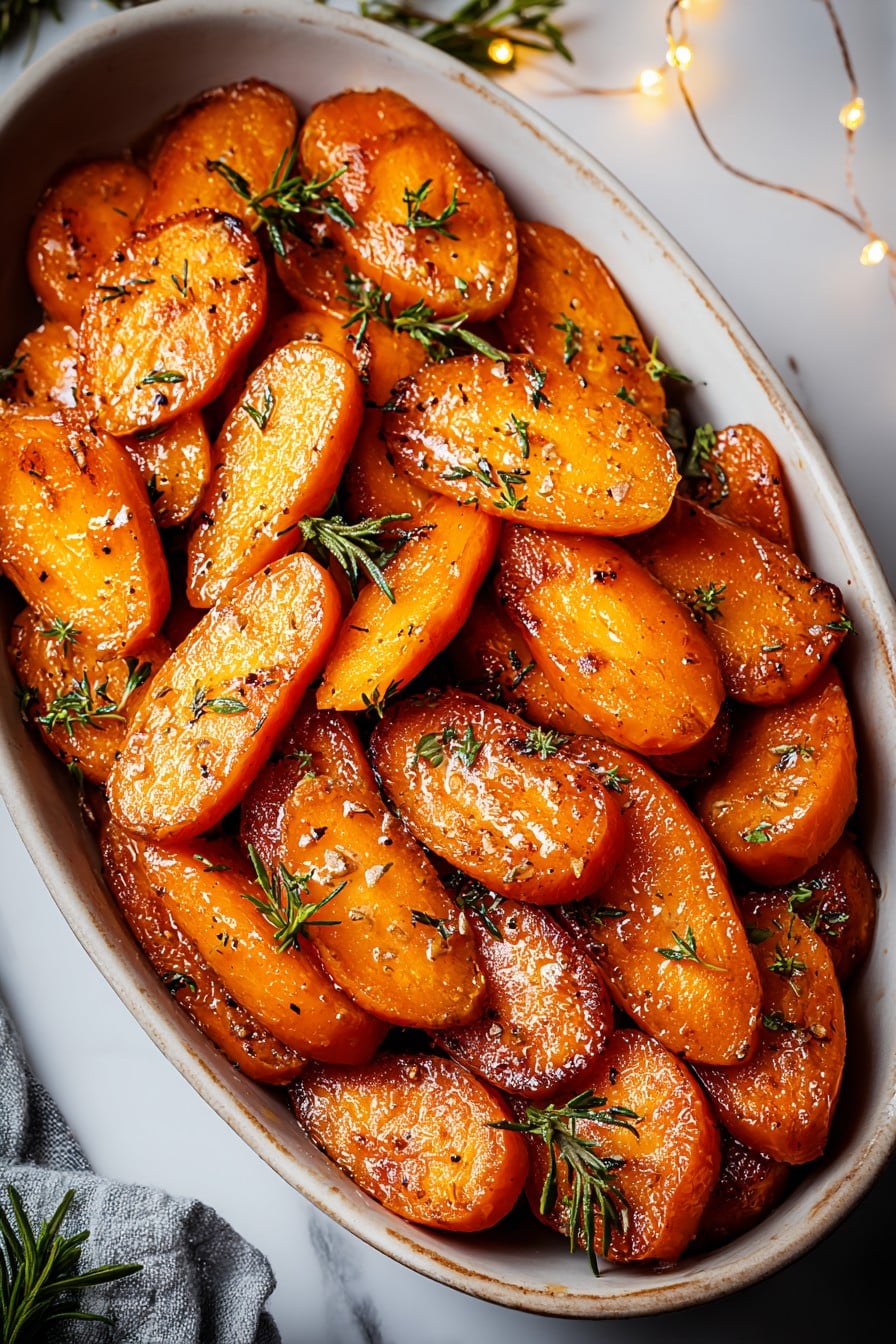
Glazed carrots are a classic side dish that brings both color and vibrant flavor to your table. Combining tender carrots with a sweet, glossy glaze, this recipe transforms a humble root vegetable into a dish that feels indulgent enough for holidays but simple enough for weeknight dinners.
Glazed carrots have found their place in kitchens around the world, featuring in cuisines from France to America.
The roots of this dish can be traced back to the French method of “glacé,” where vegetables, often carrots, are lightly cooked in butter and sugar for a glossy sheen and sweet taste.
Over time, this technique gained popularity in English-speaking households for its ability to enhance the natural flavor and presentation of carrots. Today, glazed carrots stand as a timeless staple, enjoyed for their sweet, buttery taste and beautiful appearance.
Whether served with roast turkey at Thanksgiving, alongside glazed ham for Easter, or with weeknight chicken, these carrots are endlessly versatile.
For more on the history and variations of glazed vegetables, explore reputable culinary sites such as Epicurious (https://www.epicurious.com/). This recipe will guide you through every step of making perfect glazed carrots, ensuring you deliver a dish that impresses family and guests alike.
Ingredients for Glazed Carrots
- 2 pounds carrots, peeled and cut into 1/2-inch thick slices (diagonal or rounds)
- 3 tablespoons unsalted butter
- 2 tablespoons brown sugar (light or dark)
- 1 tablespoon honey or maple syrup (optional, for extra sweetness)
- 1/2 teaspoon salt
- 1/4 teaspoon black pepper
- 1/4 cup water or low-sodium vegetable broth
- 1 tablespoon chopped fresh parsley (for garnish, optional)
Instructions for Making Glazed Carrots
- Prepare the carrots by peeling and cutting them into evenly sized slices or diagonals, about 1/2-inch thick.
- In a large skillet or sauté pan, melt the butter over medium heat. Add the carrots and stir to coat them well.
- Sprinkle the brown sugar and honey (if using) over the carrots. Add the salt and black pepper.
- Pour in the water or vegetable broth, then stir gently to combine all the ingredients.
- Cover the skillet and cook the carrots over medium heat for 6-8 minutes, until they begin to soften but are not yet fully tender.
- Remove the lid and increase the heat to medium-high. Stir and continue to cook for another 5-7 minutes, letting the liquid reduce and thicken into a glossy glaze. Stir frequently to prevent burning.
- Test the carrots for tenderness with a fork. Once they are tender and the glaze coats the carrots, remove from heat.
- Transfer to a serving dish, garnish with chopped fresh parsley if desired, and serve immediately.
Nutritional Information
Glazed carrots offer a delightful balance of nutrition and satisfaction, making them a smart choice for both taste and health. One serving (about 1/2 cup) provides roughly 120 calories, primarily from the natural sugars in carrots and added sweeteners.
Carrots are an excellent source of vitamin A, providing more than 200% of the daily recommended value per serving, primarily in the form of beta-carotene, an antioxidant that supports vision and immune function. They also supply a modest amount of fiber, potassium, and vitamin K.
The added butter and sweeteners contribute to the dish’s flavor, but keeping the portion moderate ensures it remains a healthful addition to your meal. If you desire a lighter option, using less butter and sweetener can reduce fat and sugar content.
For a detailed breakdown of carrot nutrition, the USDA provides comprehensive data (https://fdc.nal.usda.gov/fdc-app.html#/food-details/169910/nutrients). Including glazed carrots alongside lean proteins or whole grains brings micronutrients and color to your plate, enhancing both dinner’s visual appeal and nutritional profile.
Wine/Beverage Pairings With Glazed Carrots
Glazed carrots pair beautifully with beverages that balance their sweet and buttery essence. A crisp and refreshing white wine, such as Sauvignon Blanc or Pinot Grigio, complements the sweetness without overpowering it. If you prefer something non-alcoholic, a sparkling apple cider or a lightly brewed iced tea works well.
For a more luxurious meal, Champagne or Prosecco can highlight the dish’s elegance. If pairing with red wine, choose a light-bodied Pinot Noir. Whichever option you select, ensure the beverage contrasts the carrots’ sweetness to cleanse the palate.
Cooking Tips and Variations
To achieve perfectly glazed carrots, consider a few key tips. First, cut your carrots to a uniform size for even cooking; this ensures every piece is tender but not mushy. If you prefer a firmer texture, shorten the cooking time slightly and check for doneness frequently.
For a more complex flavor profile, add a sprinkle of cinnamon or nutmeg, or stir in a splash of orange juice for citrus notes. Swapping honey for maple syrup, or using light vs. dark brown sugar, will subtly change both flavor and color.
Glazed carrots are a forgiving recipe, so don’t be afraid to experiment with your favorite herbs, such as thyme or dill. For a vegan version, use a plant-based butter. When doubling the recipe, use a larger pan to avoid steaming instead of glazing.
Leftovers keep in an airtight container in the fridge for up to three days and reheat beautifully. For more tips on cooking techniques and vegetable preparations, explore America’s Test Kitchen (https://www.americastestkitchen.com/).
Serving Suggestions
Glazed carrots are a stunning addition to any meal, offering a vibrant splash of orange color and a tender, sweet-savory flavor profile. Serve them hot alongside roasted poultry like chicken or turkey for a comforting classic, or plate next to a glazed ham or beef roast for festive occasions.
Their natural sweetness harmonizes with savory dishes—try serving atop a bed of wild rice or quinoa for a wholesome vegetarian meal. During the holidays, glazed carrots can be garnished with toasted pecans or a sprinkle of fresh chives for added flavor and visual interest.
For a rustic touch, serve them family-style in a large bowl, letting guests help themselves. Adjust the portion size according to your menu: plan for about 1/2 to 1 cup per person as a side dish.
If including glazed carrots on a buffet, keep them warm in a covered chafing dish so the glaze remains silky. For an elegant presentation, arrange the carrots in a single layer, drizzle with extra glaze, and finish with fresh herbs.
Glazed Carrots Health Benefits
Glazed carrots offer a host of health benefits, making them a smart choice for any meal. Carrots are naturally high in beta-carotene, a powerful antioxidant converted into vitamin A in the body and vital for eye health, immune support, and skin maintenance.
They are also a good source of dietary fiber, which supports healthy digestion and may help maintain stable blood sugar levels. The touch of fat from butter helps the body absorb fat-soluble vitamins present in carrots.
While this recipe contains added sugars, they can be adjusted for specific dietary needs—opting for honey or maple syrup provides trace minerals for a nutritious twist. For those monitoring salt intake, reducing the salt or using unsalted butter can make this side dish heart-healthy.
As part of a balanced diet, glazed carrots offer both delicious flavor and essential nutrients.
FAQs About Glazed Carrots
Can I make glazed carrots ahead of time?
Yes, you can prepare glazed carrots in advance. Store in an airtight container in the refrigerator for up to three days. Reheat on the stovetop over medium heat, adding a splash of water if needed to refresh the glaze.
What is the best way to cut carrots for glazing?
Cut carrots into evenly sized slices or diagonal pieces about 1/2-inch thick. Uniform pieces ensure even cooking and a consistent, attractive presentation.
Can I use baby carrots instead of regular carrots?
Absolutely! Baby carrots work well and save prep time. Cook as directed, but monitor closely since their size can vary and they may cook faster.
How can I make glazed carrots vegan?
To make them vegan, substitute plant-based butter for regular butter and use maple syrup or another vegan sweetener instead of honey.
Glazed carrots are a timeless side dish that combines simplicity with elegance, making any meal feel special. With their sweet, buttery glaze and tender texture, they are sure to appeal to guests of all ages. Whether you’re preparing a holiday feast, a special dinner, or a casual weeknight meal, this recipe brings both nutritional benefits and flavorful satisfaction to the table. Follow the steps and tips provided, and you’ll be serving a side dish that is both tasty and memorable. Enjoy the natural beauty and taste of carrots with this beloved glazed carrots recipe.
Ingredients
- 1 pound carrots, peeled and sliced into 1/4 inch thick rounds
- 2 tablespoons unsalted butter
- 2 tablespoons brown sugar
- 1 tablespoon honey
- 1/4 teaspoon salt
- 1/4 teaspoon ground black pepper
- 1/4 cup water
- 1 tablespoon chopped fresh parsley (optional)
Instructions
-
1Peel the carrots and cut them into even 1/4 inch thick rounds.
-
2In a large skillet, add the carrots and 1/4 cup water. Cover and cook over medium heat for 8-10 minutes until carrots are just tender.
-
3Remove the lid and allow any remaining water to evaporate.
-
4Add the butter, brown sugar, honey, salt, and black pepper to the skillet. Stir to combine.
-
5Cook uncovered, stirring frequently, for another 5-8 minutes, until carrots are coated in a glossy glaze and heated through.
-
6Transfer to a serving dish and garnish with chopped fresh parsley, if desired. Serve warm.
Approximate Information for One Serving
Nutrition Disclaimers
Number of total servings shown is approximate. Actual number of servings will depend on your preferred portion sizes.
Nutritional values shown are general guidelines and reflect information for 1 serving using the ingredients listed, not including any optional ingredients. Actual macros may vary slightly depending on specific brands and types of ingredients used.
To determine the weight of one serving, prepare the recipe as instructed. Weigh the finished recipe, then divide the weight of the finished recipe (not including the weight of the container the food is in) by the desired number of servings. Result will be the weight of one serving.
Did you make this recipe?
Please consider Pinning it!!