Classic Christmas Prime Rib
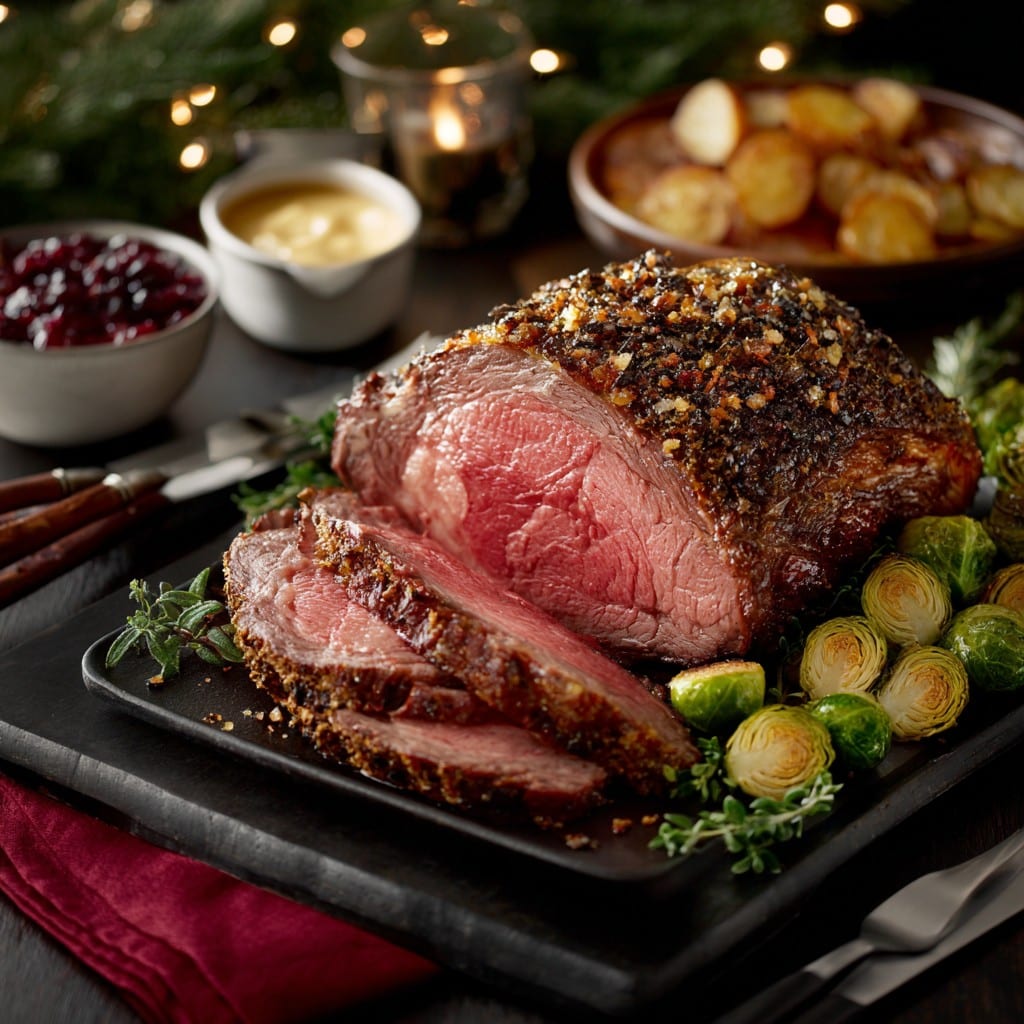
A Classic Christmas Prime Rib is often the centerpiece of many festive tables, delighting guests with its tender texture, marbled fat, and rich, savory flavor.
This legendary dish, also known as standing rib roast, boasts a long tradition in celebratory holiday dining, particularly in the United States and the United Kingdom. Its roots can be traced back to the early 19th century when prime cuts of beef symbolized prosperity and were reserved for special occasions.
Today, the classic Christmas prime rib continues to evoke feelings of warmth, togetherness, and indulgence, making it the go-to choice for those seeking a memorable feast during the holiday season.
Preparing a classic Christmas prime rib at home may seem daunting at first, but with the right technique and a few expert tips, you can achieve restaurant-quality results.
The key lies in selecting a high-quality, well-marbled rib roast, applying a simple yet flavorful seasoning rub, and using precise roasting methods to ensure a juicy, tender interior with a beautifully browned crust.
For more about the different grades and selections of beef to use in your holiday roast, visit the USDA’s beef buying guide at https://www.usda.gov/media/blog/2012/10/04/guide-beef-cuts. Follow along to unlock the secrets to preparing classic Christmas prime rib and make your next holiday meal truly unforgettable.
Ingredients for Classic Christmas Prime Rib
- 1 whole prime rib roast (bone-in, 6-8 lbs)
- 2 tablespoons kosher salt
- 1 tablespoon freshly ground black pepper
- 2 teaspoons garlic powder
- 1 tablespoon fresh rosemary, finely chopped
- 1 tablespoon fresh thyme, finely chopped
- 4 cloves garlic, minced
- 3 tablespoons olive oil
- Optional: 1 tablespoon Dijon mustard
- 1 cup beef broth (for pan sauce)
- 2 tablespoons unsalted butter (for pan sauce)
Instructions for Making Classic Christmas Prime Rib
- Remove the prime rib roast from the refrigerator at least 2 hours before roasting to bring it to room temperature. This ensures even cooking.
- Preheat your oven to 450°F (232°C).
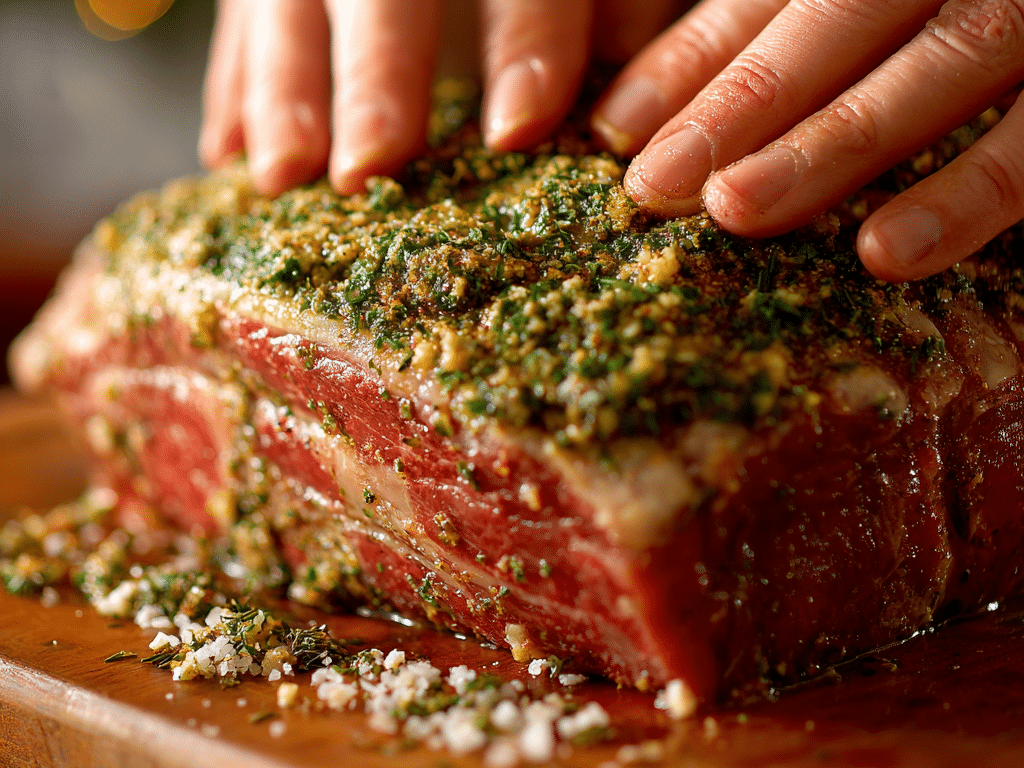
- While the oven preheats, pat the rib roast dry with paper towels. In a small bowl, combine kosher salt, black pepper, garlic powder, rosemary, thyme, minced garlic, and olive oil. Mix to form a paste. If desired, add Dijon mustard for a richer flavor.
- Rub the seasoning paste evenly all over the surface of the prime rib, ensuring it coats both the fat cap and the sides.
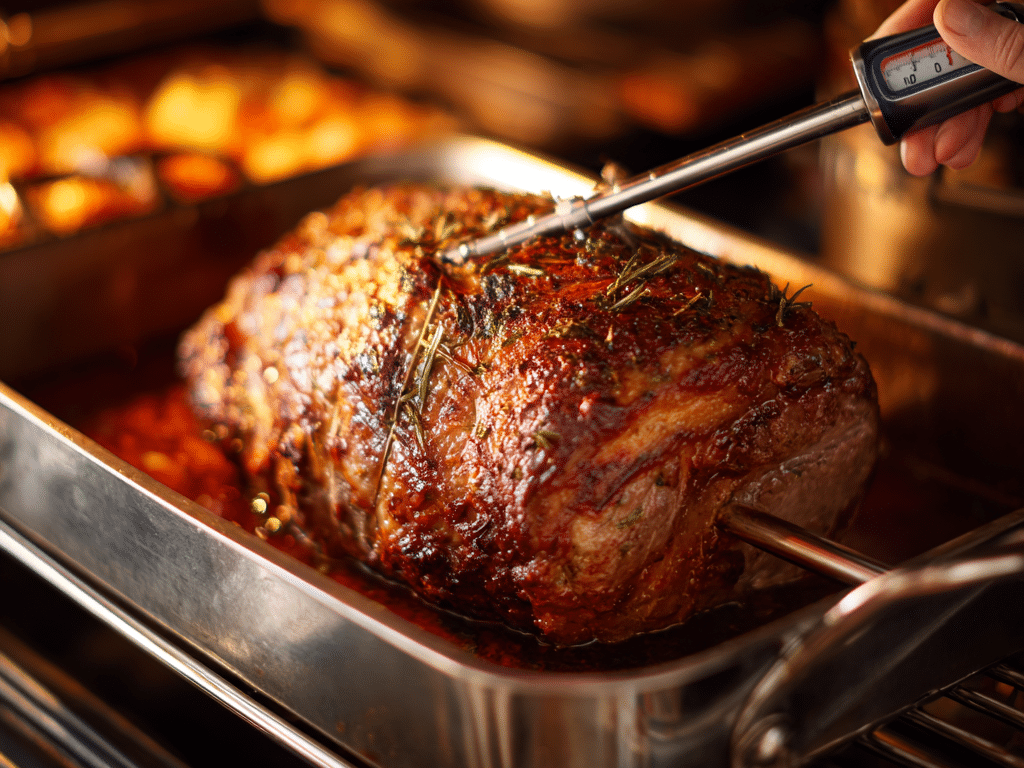
- Place the seasoned roast fat side up on a rack in a large roasting pan. Insert a meat thermometer into the thickest part of the roast, making sure it does not touch bone.
- Roast the prime rib at 450°F (232°C) for 20 minutes to develop a flavorful crust, then lower the oven temperature to 325°F (163°C) and continue roasting. Cook until the internal temperature reaches 120-125°F (49-52°C) for rare, 130°F (54°C) for medium-rare, or 135°F (57°C) for medium.
- Remove the roast from the oven and tent loosely with aluminum foil. Allow it to rest for at least 30 minutes—this is crucial for juicy, tender meat.
- While the roast rests, prepare a simple pan sauce: Place the roasting pan with drippings over medium heat, add beef broth, and scrape up any browned bits. Simmer for 5 minutes, then whisk in unsalted butter to finish the sauce.
- Carve the rested rib roast into slices of desired thickness, serve with the warm pan sauce, and enjoy your classic Christmas prime rib.
Nutritional Information
A classic Christmas prime rib is renowned for its indulgent flavor, but understanding its nutritional profile can help you balance your holiday meal.
A typical 6-ounce serving of prime rib roast contains approximately 420 calories, with around 30 grams of protein and 32 grams of fat, 14 grams of which are saturated.
Prime rib is also an excellent source of essential nutrients, especially iron and zinc, which are crucial for healthy immune function and oxygen transport. Additionally, it provides B vitamins, notably vitamin B12, which is vital for nerve health and energy production.
However, prime rib is a rich cut of beef, and moderation is key—its high saturated fat and sodium content can be a consideration for those monitoring heart health or limiting caloric intake.
To make your classic Christmas prime rib meal more balanced, pair it with fiber-rich sides like roasted vegetables and fresh salads. For more in-depth analysis, the USDA FoodData Central (https://fdc.nal.usda.gov/) is a reputable resource for nutritional information about beef and other foods.
By being mindful of portion sizes and accompanying dishes, you can enjoy the splendor of classic Christmas prime rib while keeping your overall meal healthful.
Wine/Beverage Pairings With Classic Christmas Prime Rib
A classic Christmas prime rib pairs beautifully with robust, full-bodied red wines that complement its rich flavor and texture. Cabernet Sauvignon is an iconic choice due to its tannic structure and dark fruit notes, which balance the beef’s richness. Other excellent pairings include Merlot, Bordeaux blends, or a bold Syrah.
For white wine enthusiasts, an oaked Chardonnay can provide a creamy, buttery contrast to the savory roast. Those preferring non-alcoholic beverages can serve sparkling grape juice, a dark cherry shrub, or sparkling water with a sprig of rosemary to echo the herbaceous rub.
For beer lovers, consider malty ales or porters for deeper, roasted notes that echo the caramelized exterior of the meat. Choose beverages that amplify the festive experience and encourage lively conversation around the table.
Cooking Tips and Variations
Mastering the classic Christmas prime rib is about more than just following a recipe—it’s about small details that dramatically impact the end result. Always let your prime rib roast come to room temperature before cooking; this ensures even doneness from edge to center.
Invest in a quality meat thermometer for precision—avoid guessing your doneness, as under- or over-cooking can compromise texture. For a deeper flavor profile, season your roast the night before and let it absorb the rub overnight in the refrigerator.
When ready to roast, sear at a high temperature at the beginning to develop a savory, caramelized crust before lowering the oven for slow, even roasting. For larger gatherings, consider a bone-in roast, as the bones insulate the meat, resulting in more succulent slices.
If you prefer a twist, try adding a crust of crushed peppercorns or a touch of horseradish to your rub for gentle heat. Classic Christmas prime rib is also versatile; leftovers can be transformed into hearty sandwiches or beef and barley soup.
Remember, patience during resting is essential—the juices need time to redistribute, guaranteeing a juicy and tender experience in every bite.
Serving Suggestions
To serve classic Christmas prime rib in the most elegant and festive manner, begin by ensuring your roast is fully rested and the carving knife is sharp. Always slice prime rib against the grain for the most tender results. When plating, offer slices of varying thickness to accommodate guests’ preferences.
Arrange the carved prime rib on a large, pre-warmed platter, garnished with sprigs of fresh rosemary and thyme to echo the flavors in the rub. Serve the pan sauce on the side in a gravy boat, allowing each guest to add their preferred amount.
Classic sides include creamy horseradish, Yorkshire pudding, garlic mashed potatoes, roasted root vegetables, and bright, fresh green beans. For a luxurious touch, offer a small ramekin of herbed compound butter or mustard cream. To complete the Christmas feel, decorate the table with seasonal linens, candles, and a simple evergreen centerpiece.
This creates a welcoming, warm environment that enhances the experience of sharing classic Christmas prime rib with loved ones. Remember to have extra servings ready, as this show-stopping main tends to be everyone’s favorite pick at holiday feasts.
Classic Christmas Prime Rib Health Benefits
Although classic Christmas prime rib is a decadent delight, it has several health benefits worth noting. As a prime cut of beef, it is a superb source of high-quality protein, essential for muscle repair, health, and growth.
Prime rib boasts generous amounts of iron, which supports healthy red blood cell production and helps prevent anemia. The high zinc content strengthens immune function and is especially beneficial during the colder months when seasonal illnesses are more prevalent.
Classic Christmas prime rib is also rich in vitamin B12, supporting nerve function and aiding in energy metabolism. To keep the meal as balanced as possible, it’s beneficial to serve the roast alongside high-fiber vegetables, whole grains, and salads, which aid digestion and provide vitamins and minerals.
For those adhering to heart-healthy diets, trimming some fat before serving can reduce saturated fat intake. Overall, classic Christmas prime rib, when enjoyed in moderation as part of a festive meal, can offer nutritional benefits while delighting the palate.
FAQs About Classic Christmas Prime Rib
How do I choose the best cut for classic Christmas prime rib?
Select a prime-grade, bone-in rib roast with even marbling, as this ensures tenderness and flavor. Rib roasts labeled ‘prime’ are of the highest quality.
Should I cook the prime rib with the bone in or remove it?
Cooking with the bone in helps retain moisture and enriches flavor. If easier carving is desired, ask your butcher to cut the bone and tie it back before roasting.
What internal temperature should I aim for?
For classic Christmas prime rib, 120-125°F is rare, 130°F is medium-rare, and 135°F is medium. Use a reliable meat thermometer and remember internal temp rises during resting.
Can I prepare classic Christmas prime rib in advance?
Yes, season and refrigerate the roast up to a day ahead. Let it come to room temp before roasting and reheat gently if needed to preserve juiciness.
What are some classic sides to serve with prime rib?
Traditional sides include roasted potatoes, creamed spinach, Yorkshire pudding, horseradish sauce, and fresh green vegetables for balance.
Classic Christmas prime rib remains one of the most cherished holiday traditions, gracing festive tables with its opulent flavor, aroma, and appearance. Its deep roots in history and culture continue to make it the star of Christmas gatherings, evoking nostalgia and warmth. By following this comprehensive guide, using premium ingredients, and incorporating expert techniques, you can create a showstopping centerpiece that leaves a lasting impression on family and guests alike. Remember to savor each step of the process, from selecting your roast to carving and serving in a joyful, festive setting. Here’s to creating new holiday memories with the unforgettable experience of classic Christmas prime rib.
Ingredients
- 1 (6-7 lb) bone-in prime rib roast
- 2 tablespoons olive oil
- 5 cloves garlic, minced
- 2 tablespoons fresh rosemary, chopped
- 1 tablespoon fresh thyme, chopped
- 2 tablespoons kosher salt
- 1 tablespoon freshly ground black pepper
- 1 teaspoon onion powder
Instructions
-
1Remove the prime rib from the refrigerator and let it sit at room temperature for 1 hour before roasting. Preheat the oven to 450°F (230°C).
-
2In a small bowl, mix together the olive oil, minced garlic, rosemary, thyme, salt, pepper, and onion powder to form a paste.
-
3Rub the herb-garlic paste evenly over the entire surface of the prime rib roast.
-
4Place the roast bone-side down on a rack in a roasting pan. Roast in the preheated oven for 20 minutes.
-
5Reduce oven temperature to 325°F (165°C), and continue roasting until an instant-read thermometer inserted into the thickest part reads 130°F (54°C) for medium rare, about 2–2.5 hours.
-
6Remove roast from the oven, tent with foil, and let rest for 20–30 minutes before carving and serving.
Approximate Information for One Serving
Nutrition Disclaimers
Number of total servings shown is approximate. Actual number of servings will depend on your preferred portion sizes.
Nutritional values shown are general guidelines and reflect information for 1 serving using the ingredients listed, not including any optional ingredients. Actual macros may vary slightly depending on specific brands and types of ingredients used.
To determine the weight of one serving, prepare the recipe as instructed. Weigh the finished recipe, then divide the weight of the finished recipe (not including the weight of the container the food is in) by the desired number of servings. Result will be the weight of one serving.
Did you make this recipe?
Please consider Pinning it!!