Biscoff Cake
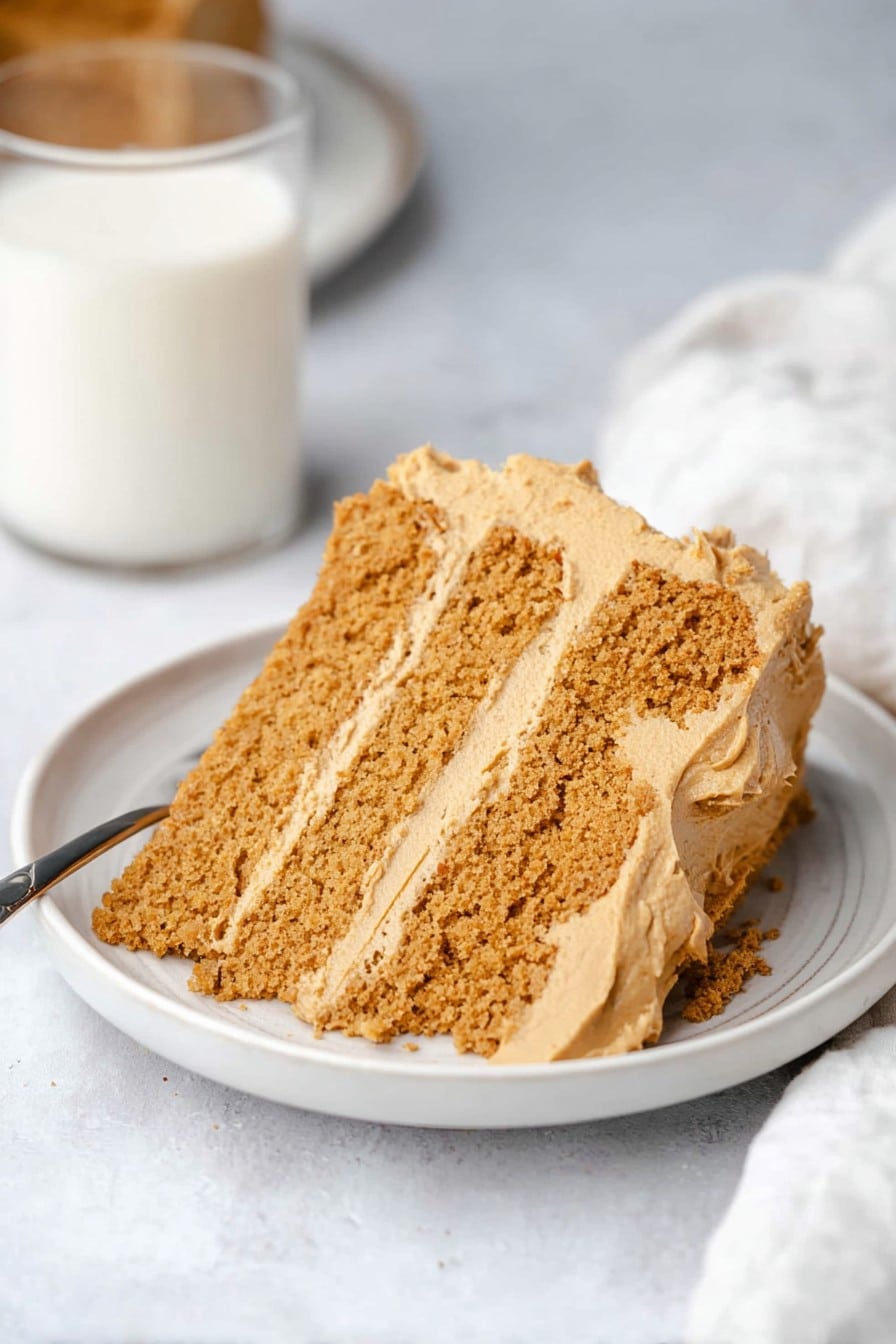
Biscoff Cake is the latest sensation sweeping through kitchens around the world, bringing together the irresistible spiced caramel flavor of Biscoff cookies and the artistry of cake-making.
This uniquely decadent dessert combines the creamy richness of Biscoff spread, often fondly called cookie butter, with moist layers of sponge cake and a luscious Biscoff-infused frosting.
The origin of Biscoff cookies, also known as speculoos, can be traced back to Belgium, where they have been a beloved treat with coffee for generations.
In recent years, the creative use of Biscoff spread in baked treats has led to the invention of the Biscoff Cake, a modern classic that marries European tradition with contemporary dessert trends.
The primary focus keyphrase for this recipe, Biscoff Cake, reflects the growing popularity of this treat among both novice bakers and seasoned pastry chefs. Whether you’re celebrating a special occasion or simply indulging your sweet tooth, the Biscoff Cake offers a delightful twist on traditional layer cakes.
From its spiced aroma to its caramel undertones and eye-catching presentation, this cake is as pleasing to the eye as it is to the palate.
In this comprehensive recipe guide, you’ll learn not just how to bake the perfect Biscoff Cake, but also about its delectable history, health benefits, serving suggestions, and much more. Get ready to impress your friends and family with a dessert that’s sure to be requested time and again.
Ingredients
- 2 1/2 cups all-purpose flour
- 2 teaspoons baking powder
- 1/2 teaspoon baking soda
- 1/2 teaspoon salt
- 1 cup unsalted butter, room temperature
- 1 1/2 cups granulated sugar
- 1/2 cup light brown sugar, packed
- 4 large eggs, room temperature
- 1 tablespoon vanilla extract
- 1 cup buttermilk, room temperature
- 1/2 cup Biscoff spread (for cake batter)
- 1 cup Biscoff spread (for frosting)
- 4 cups powdered sugar (for frosting)
- 1/2 cup unsalted butter, room temperature (for frosting)
- 2-4 tablespoons heavy cream or milk (for frosting consistency)
- 12-14 Biscoff cookies, crushed (for layering and garnish)
- Optional: extra Biscoff spread for drizzling
Instructions
- Preheat your oven to 350°F (175°C). Grease and line three 8-inch round cake pans with parchment paper.
- In a medium bowl, whisk together the all-purpose flour, baking powder, baking soda, and salt. Set aside.
- In a large mixing bowl, beat the unsalted butter until creamy and smooth. Add both the granulated sugar and light brown sugar, creaming until light and fluffy, about 3-4 minutes.
- Add eggs to the butter-sugar mixture, one at a time, beating well after each addition. Stir in the vanilla extract.
- Gently mix in the Biscoff spread until fully incorporated and the batter appears smooth and uniform.
- Alternately add the flour mixture and buttermilk to the wet ingredients, beginning and ending with the flour. Mix on low speed until just combined; do not overmix.
- Evenly divide the batter among the prepared cake pans. Smooth out the tops using a spatula.
- Bake in the preheated oven for 22-26 minutes, or until a toothpick inserted into the center comes out clean. Allow cakes to cool in the pans for 10 minutes, then invert onto wire racks and let them cool completely.
- To make the Biscoff frosting, beat 1/2 cup unsalted butter until fluffy. Add 1 cup Biscoff spread and mix until well combined.
- Gradually add powdered sugar, alternating with 2-4 tablespoons of heavy cream or milk, beating until the frosting is smooth and spreadable.
- Once the cakes are completely cool, place the first layer on a cake stand. Spread a layer of Biscoff frosting and sprinkle with crushed Biscoff cookies.
- Add the second cake layer and repeat the frosting and cookie crumble. Place the final cake layer on top.
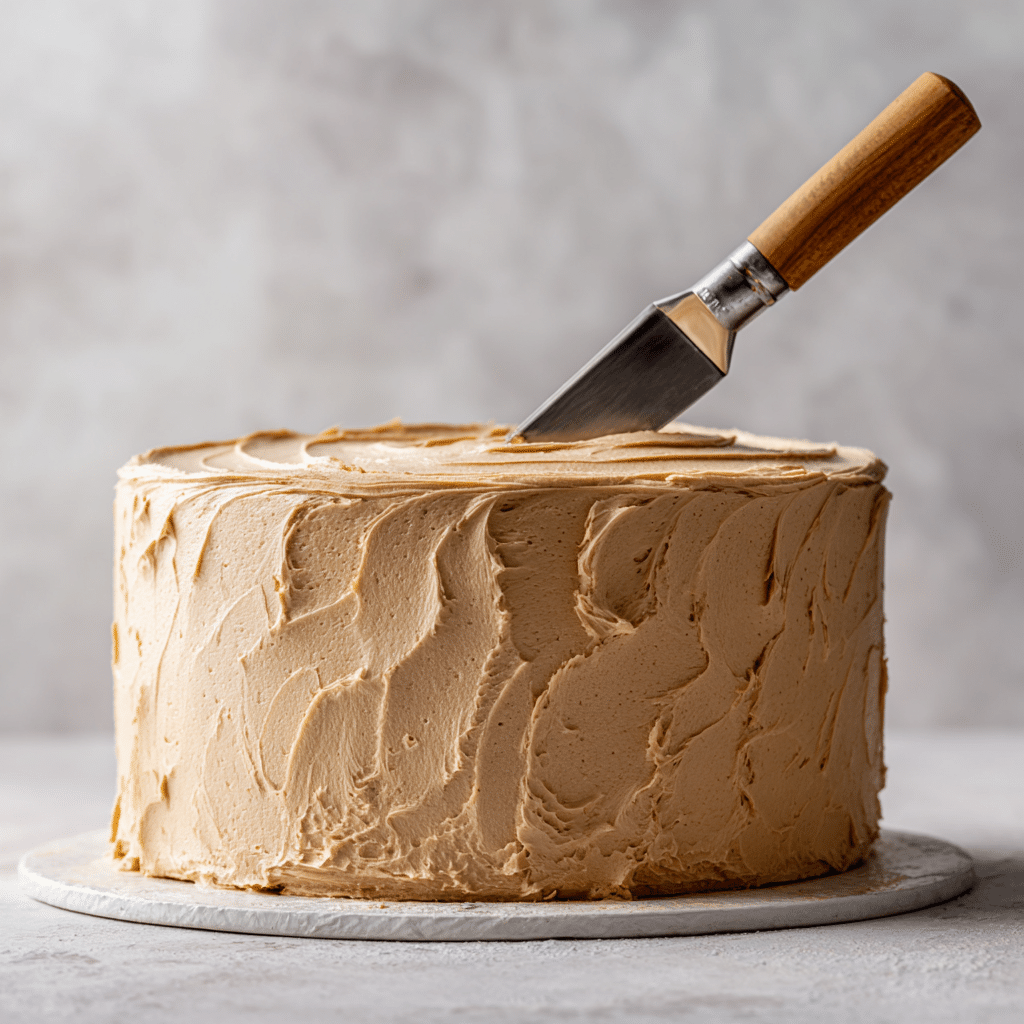
- Frost the sides and top of the cake with the remaining Biscoff frosting. Smooth with an offset spatula for a clean finish.
- Drizzle melted Biscoff spread over the top if desired. Garnish with whole or crushed Biscoff cookies.
- Chill the cake for at least 30 minutes before slicing to ensure clean, perfect layers.

Nutritional Information
Biscoff Cake, while indulgent, can be enjoyed as a part of a balanced diet when served in moderation. Each slice (based on 12 slices per cake) provides an estimated 510-540 calories, with approximately 22-25 grams of fat, 68-72 grams of carbohydrates, and 5-7 grams of protein.
The majority of these carbohydrates derive from the sugars included in the cake and frosting, and the fats are a balance of saturated fats from butter and plant-based fats from the Biscoff spread.
Biscoff cookies are made primarily from wheat flour, brown sugar, vegetable oils, and spices like cinnamon, which gives the cake its signature buttery, caramelized spiced flavor.
While Biscoff Cake is not inherently low in sugar or fat, consuming a reasonable portion alongside a meal or as a treat makes it compatible with most nutritional plans.
For those with dietary restrictions, adjustments such as using a butter substitute, reducing sugar, or selecting whole-grain flours can slightly improve the nutritional profile. However, as a celebration dessert, Biscoff Cake delivers on both taste and satisfaction, making it a comforting choice for gatherings, birthdays, and holidays.
Wine and Beverage Pairings
Biscoff Cake pairs beautifully with a range of beverages, making it an adaptable dessert choice for different occasions. For an afternoon tea or coffee break, serve with freshly brewed espresso or a bold cappuccino—the warm spices and caramel notes of the cake harmonize perfectly with rich, dark coffee flavors.
For those who prefer tea, a robust black tea such as Assam or Earl Grey provides a lovely contrast to the cake’s sweetness.
As a sophisticated dessert course, Biscoff Cake matches well with a glass of Moscato d’Asti, a sweet sparkling wine, or a late-harvest Riesling, both of which enhance the caramel undertones and bring out the spices in the cake.
For a non-alcoholic option, consider pairing with chai tea or a frothy steamed milk beverage laced with a hint of cinnamon.

Cooking Tips and Variations
Baking the perfect Biscoff Cake requires attention to detail and a few helpful baking strategies. For extra-moist cake layers, ensure that all your ingredients—especially eggs, butter, and buttermilk—are at room temperature before starting. This helps create a more even batter and results in a lighter crumb.
When mixing the cake batter, resist the urge to overmix after adding the flour; overmixing can lead to a dense cake.
For a more intense Biscoff flavor, consider adding a tablespoon of crushed Biscoff cookies directly to the cake batter or even swirling extra Biscoff spread into each layer before baking.
You can turn this recipe into cupcakes by adjusting the baking time to about 18 minutes and using a muffin tin. For a vegan variation, substitute the eggs with applesauce or your favorite egg replacer, and use dairy-free margarine and milk alternatives.
Additionally, try folding in chopped nuts like walnuts or pecans for a delightful crunch. Store leftover Biscoff Cake in an airtight container in the refrigerator for up to five days, or freeze individual slices for up to three months for future enjoyment.
Serving Suggestions
When serving Biscoff Cake, presentation is key to making this dessert even more inviting. Use a sharp knife to slice clean portions, wiping between cuts to maintain the defined layers of cake and frosting.
Biscoff Cake is best enjoyed slightly chilled, so refrigerate the cake for at least 30 minutes before slicing. This helps the frosting set and ensures the signature swirls of Biscoff remain intact.
To elevate the experience, garnish each slice with a small dollop of whipped cream, an extra drizzle of melted Biscoff spread, and a sprinkle of crushed Biscoff cookies. For special occasions, use decorative piping to create elegant swirls or border designs using the Biscoff frosting.
If serving at a buffet or party, offer cake alongside other Belgian treats, such as chocolate-dipped strawberries or delicate pastries, to create a full dessert table experience.
The warming spices and rich sweetness of this cake make it suitable for autumn or winter gatherings, though its popularity means it’s likely to be requested year-round.
Whether as a birthday cake, a festive centerpiece, or a comforting weekend bake, Biscoff Cake brings a touch of European inspiration and unforgettable flavor to your dessert table.
Health Benefits
While Biscoff Cake is a rich treat best enjoyed in moderation, it does offer some notable benefits. The spices found in Biscoff spread and cookies, particularly cinnamon, are known for their antioxidant and anti-inflammatory properties. Cinnamon can help regulate blood sugar levels and improve metabolic health.
Additionally, Biscoff Cake provides an energizing blend of simple and complex carbohydrates, making it a good choice for a celebratory treat after physical activity or as a delightful mood booster during festive occasions.
The mental and emotional health benefits of baking and sharing homemade cake should not be underestimated—preparing and enjoying Biscoff Cake with loved ones fosters a sense of connection and happiness.
While not explicitly a health food, each ingredient can be adjusted to align more closely with dietary needs, such as using whole-grain flour for added fiber or reducing sugar for less sweetness while still delivering the signature Biscoff experience.
Frequently Asked Questions
Yes, Biscoff Cake can be made a day in advance. Simply store it covered in the refrigerator. Bring it to room temperature before serving for the best texture and flavor.
With a few key substitutions such as plant-based butter, non-dairy milk, and an egg replacement like applesauce, you can make a vegan version of Biscoff Cake.
Yes, Biscoff Cake freezes well. Wrap individual slices tightly in plastic wrap and place them in an airtight container. Thaw overnight in the refrigerator before enjoying.
A Biscoff-infused buttercream frosting, as described in this recipe, is ideal. You can also try cream cheese frosting with a swirl of Biscoff spread for a tangy contrast.
Grease your pans thoroughly and line them with parchment paper rounds for easy removal and perfectly intact layers every time.
Biscoff Cake has rapidly earned its place in the world of unforgettable desserts, blending the aromatic charm of Belgian speculoos with the timeless joy of homemade cake. With its harmonious layers of spiced caramel flavor, creamy frosting, and inviting presentation, Biscoff Cake truly captures the imagination of cake lovers everywhere. This comprehensive guide has equipped you with everything needed to bake, serve, and enjoy a flawless Biscoff Cake, whether for a festive occasion or a well-deserved indulgence. Experiment with toppings, try alternative versions, or simply savor the classic recipe as is. Whichever route you choose, the result is sure to be a showstopper that brings warmth and joy to your table. Happy baking!
Ingredients
- 2 cups all-purpose flour
- 1 1/2 cups granulated sugar
- 1 cup unsalted butter, softened
- 4 large eggs
- 2/3 cup milk
- 1/2 cup Lotus Biscoff spread
- 1 tbsp baking powder
- 1/2 tsp salt
- 1 cup Lotus Biscoff cookies, crushed (plus more for garnish)
- 2 cups powdered sugar (for buttercream)
- 1/2 cup unsalted butter, softened (for buttercream)
- 1/4 cup Lotus Biscoff spread (for buttercream)
Instructions
-
1Preheat oven to 350°F (175°C). Grease and line two 8-inch round cake pans with parchment paper.
-
2In a mixing bowl, cream together the butter and granulated sugar until light and fluffy. Beat in the eggs one at a time.
-
3Add Biscoff spread and mix until combined. Alternately add flour, baking powder, and salt with the milk until just combined. Fold in crushed Biscoff cookies.
-
4Evenly divide the batter between prepared pans and bake for 30-35 minutes or until a toothpick inserted comes out clean. Let cakes cool completely.
-
5For the Biscoff buttercream, beat together softened butter, powdered sugar, and Biscoff spread until smooth and fluffy.
-
6Frost the cooled cakes with Biscoff buttercream, drizzle with extra Biscoff spread if desired, and sprinkle with crushed Biscoff cookies to garnish.
Approximate Information for One Serving
Nutrition Disclaimers
Number of total servings shown is approximate. Actual number of servings will depend on your preferred portion sizes.
Nutritional values shown are general guidelines and reflect information for 1 serving using the ingredients listed, not including any optional ingredients. Actual macros may vary slightly depending on specific brands and types of ingredients used.
To determine the weight of one serving, prepare the recipe as instructed. Weigh the finished recipe, then divide the weight of the finished recipe (not including the weight of the container the food is in) by the desired number of servings. Result will be the weight of one serving.
Did you make this recipe?
Please consider Pinning it!!