Baked Cajun Salmon
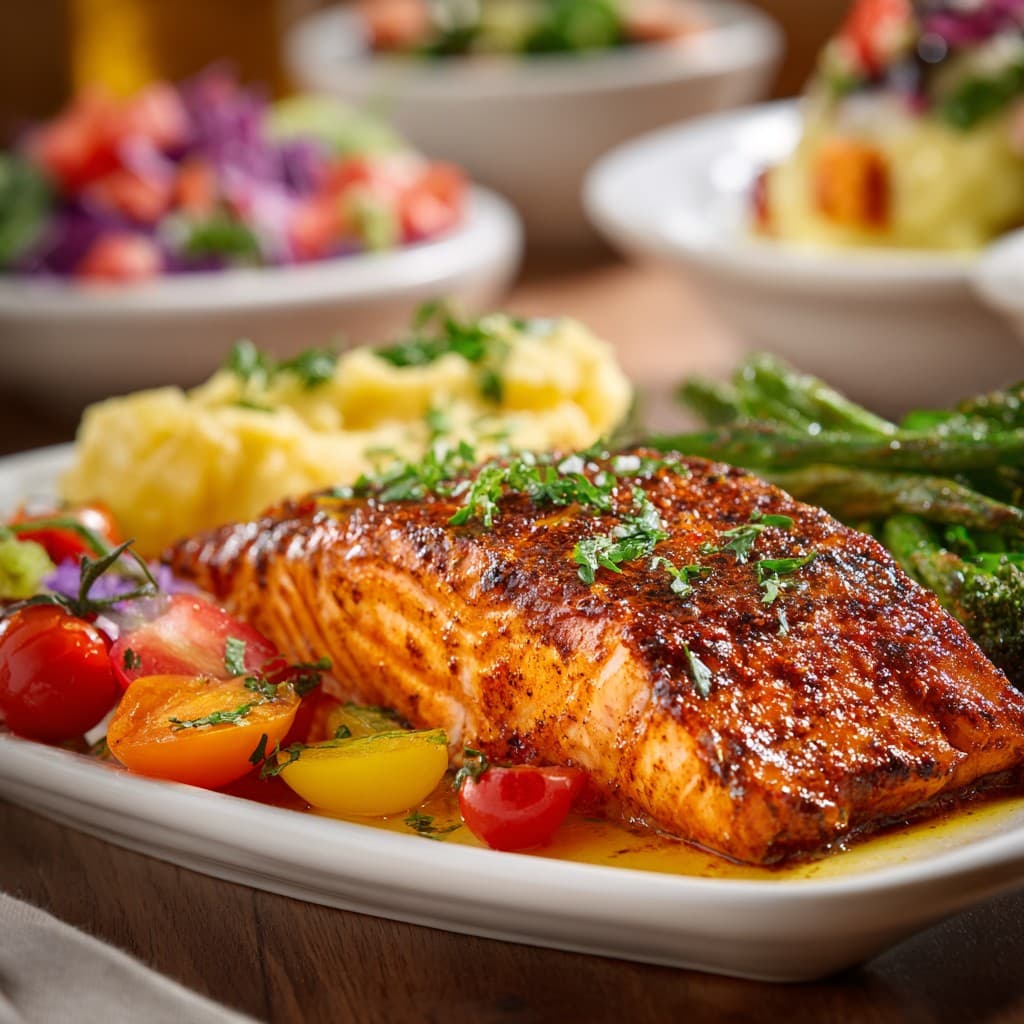
Baked Cajun Salmon is a mouthwatering dish that brings the vibrant flavors of Louisiana cuisine right to your dinner table.
With its origins rooted in the southern United States, Cajun seasoning is a blend of spices traditionally used to add a bold and zesty kick to a range of foods, especially seafood.
Salmon’s naturally rich and buttery taste pairs perfectly with the smokey, spicy notes of Cajun seasoning, creating a balanced and aromatic main course that is both healthy and satisfying.
While Cajun cooking typically relies on hearty stews and barbecued meats, adapting these flavors to baked salmon offers a lighter, contemporary twist that retains all the authenticity of its southern charm.
Unlike pan-frying or grilling, baking the salmon guarantees tender, flaky, and juicy fillets every time, making it nearly foolproof and accessible for home cooks of any skill level. Moreover, this method requires minimal oil, which further enhances the health benefits of this lean and protein-rich fish.
The Baked Cajun Salmon recipe not only serves as a quick weeknight meal but also as an impressive centerpiece for gatherings when you want something that’s nutritious and flavorful.
Whether you are new to Cajun cooking or a seasoned fan, this recipe will introduce you to an easy way to enjoy these classic spices without hours of preparation. Curious about the roots of Cajun flavors or the nutritional profile of salmon?
You can learn more about the classic Cajun spice blend at https://www.thespruceeats.com/cajun-spice-mix-305319.
Ingredients for Baked Cajun Salmon
- 4 salmon fillets (about 6 ounces each), skin-on or skinless
- 2 tablespoons olive oil
- 1 tablespoon Cajun seasoning (store-bought or homemade)
- 1 teaspoon smoked paprika
- 1/2 teaspoon garlic powder
- 1/2 teaspoon onion powder
- 1/4 teaspoon dried thyme
- 1/4 teaspoon dried oregano
- 1/2 teaspoon salt
- 1/4 teaspoon freshly ground black pepper
- 1 lemon, sliced into rounds
- Fresh chopped parsley, for garnish (optional)
Instructions for Making Baked Cajun Salmon
- Preheat your oven to 400°F (200°C). Line a baking sheet with parchment paper or lightly grease it with a bit of olive oil.
- Pat the salmon fillets dry using paper towels. Place the fillets on the prepared baking sheet, skin-side down if using skin-on salmon.
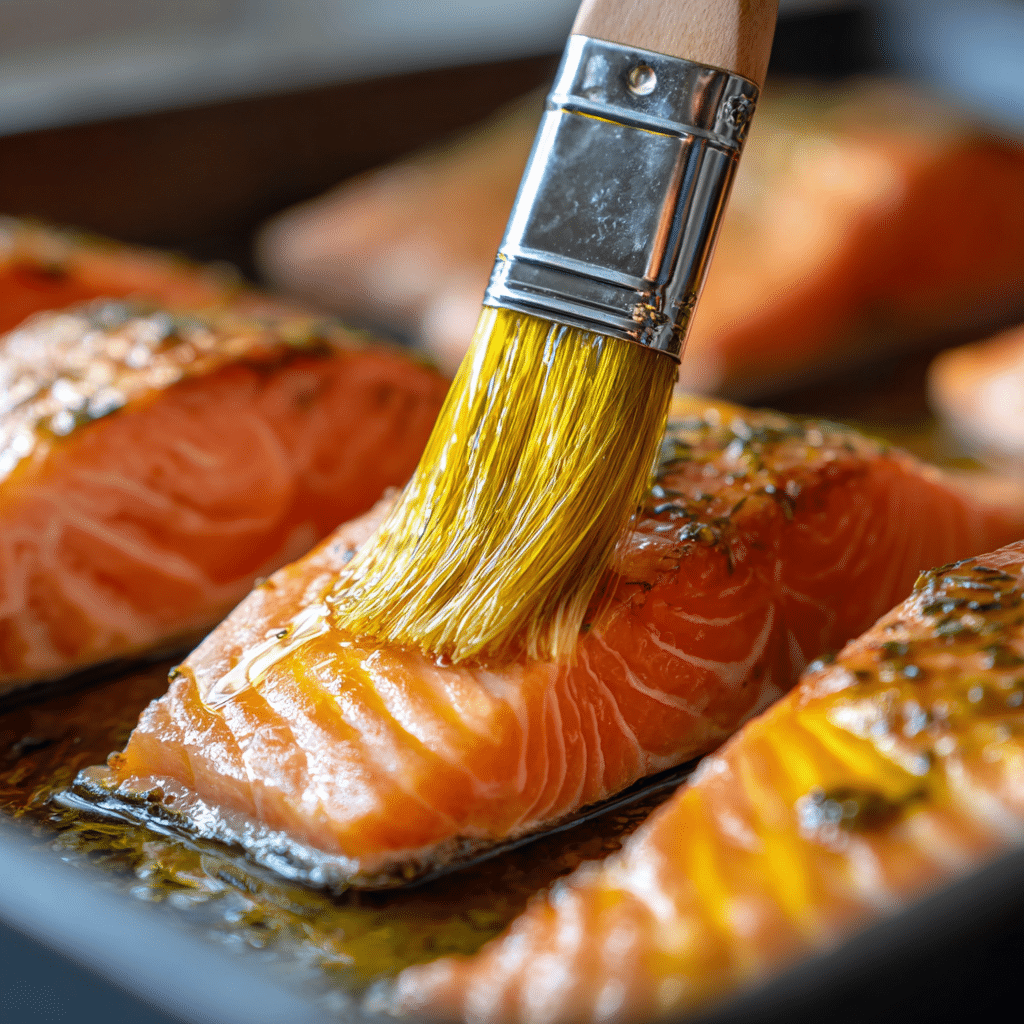
- Brush each salmon fillet evenly with olive oil, ensuring the seasonings will stick well.
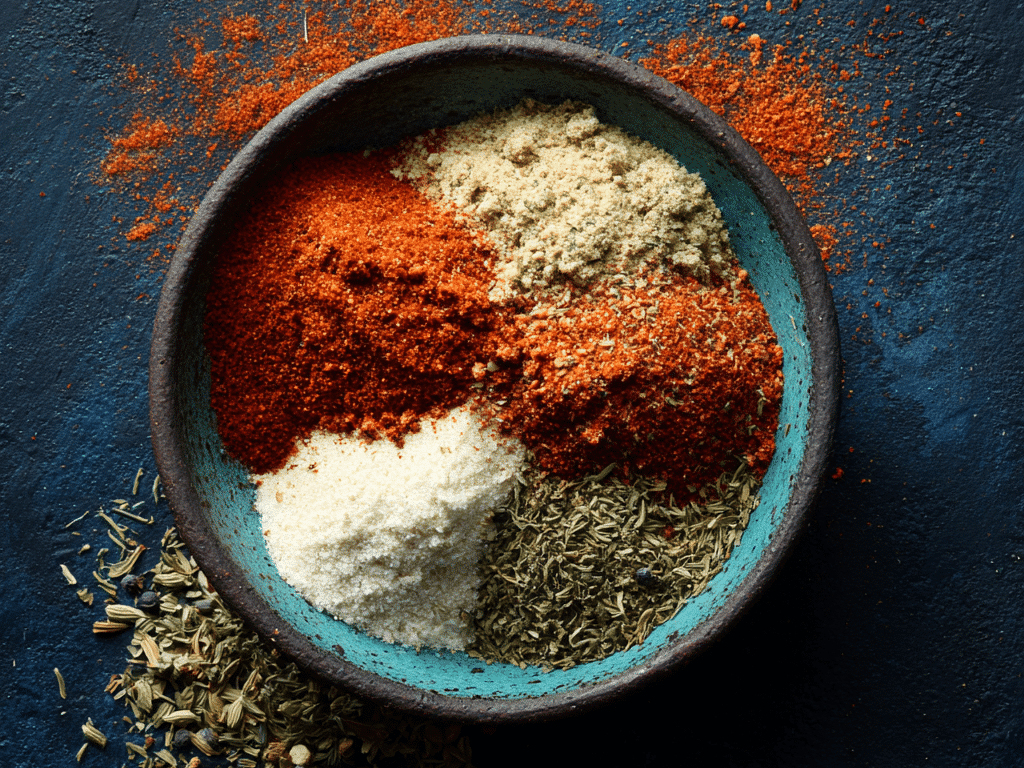
- In a small bowl, combine the Cajun seasoning, smoked paprika, garlic powder, onion powder, thyme, oregano, salt, and black pepper. Mix thoroughly.
- Sprinkle the spice mixture generously over the salmon fillets, pressing gently so the seasonings adhere, covering all exposed surfaces.
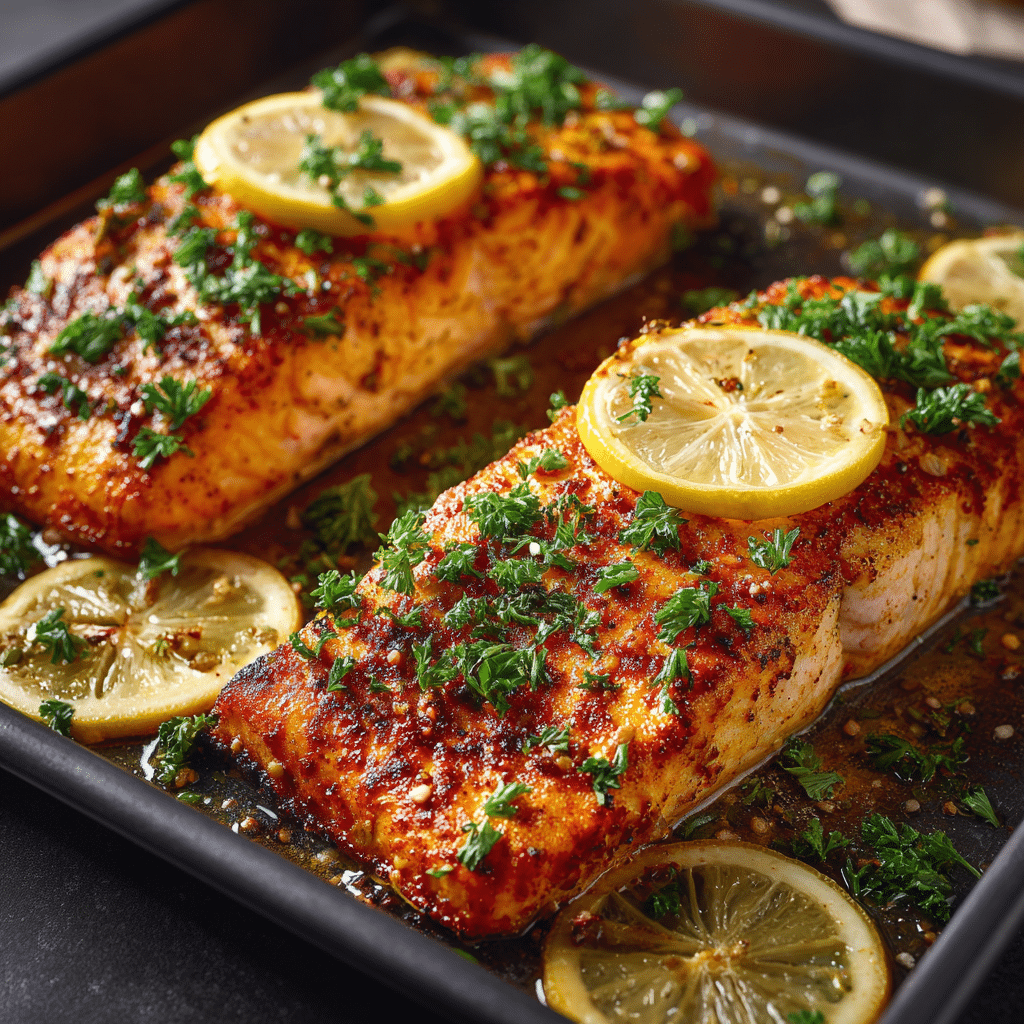
- Top each fillet with a lemon round for added flavor and moisture during baking.
- Bake in the preheated oven for 12-15 minutes, or until the salmon is cooked through and flakes easily with a fork. Cooking time will vary depending on the thickness of the fillets.
- Optionally, broil the salmon for the last 1-2 minutes for a slightly crispier top. Watch carefully to avoid burning.
- Remove the salmon from the oven and let it rest for 2-3 minutes. Garnish with fresh chopped parsley if desired.
- Serve immediately, paired with your favorite side dishes.
Nutritional Information
Baked Cajun Salmon is a nutritional powerhouse, making it an ideal choice for anyone seeking a healthy, balanced meal.
One standard serving (approximately 6 ounces of salmon) contains roughly 350 calories, 23 grams of protein, and 20 grams of healthy fats, primarily omega-3 fatty acids, which are well-known for supporting cardiovascular and brain health. The addition of olive oil provides a further boost of monounsaturated fats and antioxidants.
This dish is naturally low in carbohydrates—less than 2 grams per serving—making it suitable for low-carb, keto, or diabetic-friendly diets. Furthermore, Cajun seasonings add flavor without significant calories or sugar, and lemon enhances both taste and vitamin C content.
Baked rather than fried, this salmon is lower in saturated fat yet still moist and flavorful. Curious about salmon’s nutritional value? Check out the comprehensive guide at https://www.healthline.com/nutrition/salmon-fish for more detailed information.
This recipe is also gluten-free and can be easily adapted for other dietary needs without sacrificing taste, making it a universally appealing option for family meals.
Wine/Beverage Pairings With Baked Cajun Salmon
The bold spices in Baked Cajun Salmon pair beautifully with a selection of crisp and refreshing beverages. For wine, choose a chilled Sauvignon Blanc or Pinot Grigio; both offer acidity that balances the richness of the salmon and the heat from the Cajun seasoning.
If you prefer red, try a light-bodied Pinot Noir, which won’t overpower the flavors. Craft beers such as American pale ales or wheat beers provide a hoppy counterpoint to the spice while refreshing the palate.
For non-alcoholic options, citrus-infused sparkling water or unsweetened iced tea with a slice of lemon make excellent accompaniments. If you’d like something sweet, a glass of lightly chilled Riesling or a homemade lemonade will also refresh and enhance the bright flavors in the dish.
Cooking Tips and Variations
Elevate your Baked Cajun Salmon with these helpful tips and creative variations. To ensure perfect results, always use fresh, high-quality salmon fillets. If using frozen salmon, thaw them overnight in the refrigerator for optimal texture.
For an even spicier kick, double the Cajun seasoning or add a pinch of cayenne pepper to the dry mix. If you’re preparing a homemade Cajun blend, consider adjusting the salt or heat level to suit personal preference.
Lining the baking sheet with parchment prevents sticking and simplifies cleanup, while a light coating of olive oil locks in moisture and enhances the exterior crispness. For a smoky barbecue flavor, try finishing the baked salmon under the broiler for 1-2 minutes, but watch closely to prevent burning.
If citrus notes are desired, squeeze fresh lemon over the fish just before serving. For a lighter or dairy-free option, avoid creamy toppings or sauces; alternatively, you can create a refreshing salsa or slaw to serve alongside.
If you have dietary restrictions, swap olive oil for avocado oil or use salt-free Cajun blends. This recipe is versatile, too—substitute salmon with other firm fish like cod or trout for variety. Explore reputable culinary resources on baking fish, such as https://www.seriouseats.com/how-to-bake-fish, to master the technique.
Serving Suggestions
Baked Cajun Salmon is renowned for its versatility, making it the perfect centerpiece for a variety of meals. To create a visually impressive and nutritionally balanced plate, serve the salmon fillets atop steamed jasmine or brown rice, which absorb the flavorful juices and seasoning.
Roasted vegetables, such as asparagus, broccoli, or colorful bell peppers, make fantastic sides, adding both texture and vibrant color.
For a lighter summer meal, pair the salmon with a simple arugula or mixed green salad dressed in lemon vinaigrette—this combination sparks a delightful contrast between the peppery salad greens and the spicy, savory fish.
If you’re hosting a dinner party or festive gathering, present the salmon on a serving platter garnished with additional lemon rounds and a sprinkle of fresh herbs. Whole grain couscous, quinoa, or a cold pasta salad also work as hearty accompaniments that aren’t too heavy.
For a true Southern-inspired meal, consider sides like sautéed okra, corn on the cob, or creamy coleslaw. Leftovers can be flaked over salads, used in tacos, or added to grain bowls for a quick, nutritious lunch.
To balance the meal, avoid rich, heavy sauces, and instead focus on light, citrusy accompaniments and fresh vegetables that enhance the spice profile of the Baked Cajun Salmon.
Baked Cajun Salmon Health Benefits
Baked Cajun Salmon offers a variety of health benefits, making it an excellent choice for those focused on wellness and a balanced diet.
Salmon is an outstanding source of high-quality protein and heart-healthy omega-3 fatty acids, which play a role in reducing inflammation, supporting brain function, and lowering the risk of cardiovascular diseases. The method of baking instead of frying the salmon reduces unhealthy fat intake, ensuring the dish remains light yet filling.
Additionally, Cajun spices and herbs, such as paprika, thyme, and oregano, provide antioxidants and micronutrients that contribute to overall wellness. The use of olive oil promotes good cholesterol levels, while lemon adds a dose of vitamin C for immune support.
Because this Baked Cajun Salmon is naturally low in carbohydrates and gluten-free, it accommodates a wide range of dietary preferences, including low-carb, diabetic-friendly, Mediterranean, and paleo diets.
With minimal additives and processed ingredients, this recipe exemplifies clean eating and can be adapted to include more fresh vegetables, grains, or legumes for a comprehensive meal. Enjoy the peace of mind that comes from cooking a dish that’s as nutritious as it is delicious.
FAQs About Baked Cajun Salmon
Can I use frozen salmon fillets for Baked Cajun Salmon?
Yes, you can use frozen salmon fillets. Just ensure they are completely thawed in the refrigerator overnight and patted dry before cooking to achieve the best texture and flavor.
What is the best way to ensure the salmon stays moist?
Brush the salmon with olive oil and avoid overcooking. Pull the salmon from the oven when it just begins to flake with a fork, and let it rest for a few minutes before serving.
Is the Cajun seasoning spicy?
Cajun seasoning is mildly to moderately spicy, depending on the brand or homemade recipe. You can control the heat by adding more or less cayenne pepper or using a milder blend.
Can I make Baked Cajun Salmon dairy-free?
Absolutely! The standard recipe is naturally dairy-free as it uses olive oil rather than butter or cream. Just check your Cajun seasoning to confirm it’s also dairy-free.
What can I serve with Baked Cajun Salmon for a complete meal?
Popular sides include rice, roasted or steamed vegetables, mixed salads, quinoa, couscous, or light cold pasta salads. Fresh citrus or herb garnishes add a bright finishing touch.
Baked Cajun Salmon effortlessly brings together health, flavor, and convenience in a single dish. The fusion of savory salmon with robust Cajun spice creates an irresistible main course that will impress both novice cooks and seasoned food enthusiasts alike. Whether you’re seeking a nourishing family dinner, a quick weeknight meal, or a vibrant offering for special gatherings, this recipe guarantees satisfaction without complication. Pair it with your favorite sides and beverage for a complete dining experience. Enjoy discovering the zest and warmth of Cajun cuisine with every bite, and don’t hesitate to get creative with your own twists. Try this Baked Cajun Salmon soon—you’ll relish both its taste and nutritional benefits.
Ingredients
- 4 salmon fillets (about 6 oz each)
- 2 tablespoons olive oil
- 1 1/2 tablespoons Cajun seasoning
- 1/2 teaspoon garlic powder
- 1/2 teaspoon smoked paprika
- 1/2 teaspoon salt
- 1/4 teaspoon black pepper
- 1 lemon, sliced
- Chopped parsley, for garnish
Instructions
-
1Preheat your oven to 400°F (200°C). Line a baking sheet with parchment paper or lightly grease it.
-
2Pat the salmon fillets dry with paper towels and place them skin-side down on the prepared baking sheet.
-
3Brush each fillet with olive oil. In a small bowl, mix together the Cajun seasoning, garlic powder, smoked paprika, salt, and black pepper.
-
4Evenly sprinkle the seasoning blend over the salmon fillets, pressing gently to help it adhere. Top each fillet with a lemon slice.
-
5Bake in the preheated oven for 12-15 minutes, or until the salmon is just cooked through and flakes easily with a fork.
-
6Remove from oven and garnish with chopped parsley before serving.
Approximate Information for One Serving
Nutrition Disclaimers
Number of total servings shown is approximate. Actual number of servings will depend on your preferred portion sizes.
Nutritional values shown are general guidelines and reflect information for 1 serving using the ingredients listed, not including any optional ingredients. Actual macros may vary slightly depending on specific brands and types of ingredients used.
To determine the weight of one serving, prepare the recipe as instructed. Weigh the finished recipe, then divide the weight of the finished recipe (not including the weight of the container the food is in) by the desired number of servings. Result will be the weight of one serving.
Did you make this recipe?
Please consider Pinning it!!